
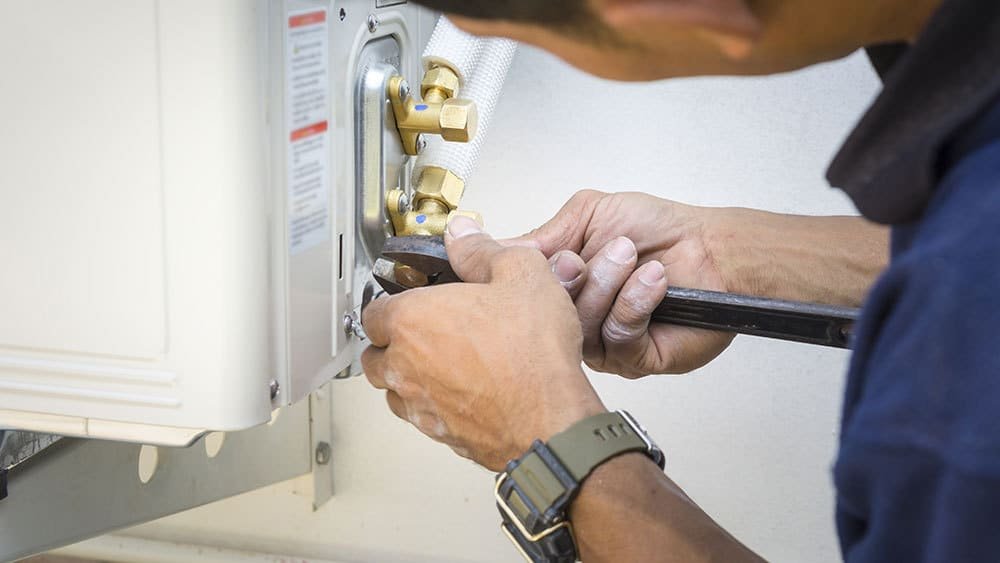
It’s 2 a.m. in July, the power just came back after a cut, and your AC won’t start. Sound familiar? If you’ve ever stood in front of your outdoor unit at midnight, wondering why it’s making that weird clicking sound, you already know why hvac maintenance tips matter more than most people think. A little bit of regular upkeep — the kind that takes maybe twenty minutes a month — is usually the difference between a system that lasts fifteen years and one that dies at year seven. This guide walks through what actually works, based on what technicians (and a lot of trial and error) have taught me over the years.
Why Regular HVAC Maintenance Actually Matters
HVAC maintenance tips aren’t just internet filler — they’re the reason some systems run smoothly for over a decade while others need repairs every summer. A neglected system works harder to do the same job, and that shows up directly on your electricity bill.
Quick answer: Regular HVAC maintenance improves energy efficiency by 15-20%, extends equipment life by several years, and catches small issues before they become expensive repairs. Skipping it usually costs more in the long run than the maintenance itself.
I’ve noticed that most people only think about their AC or heater when it stops working. By then, you’re not doing “maintenance” anymore — you’re doing damage control, and damage control is always pricier. A compressor replacement can run you anywhere from ₹15,000 to ₹35,000 in India, depending on the tonnage and brand. A filter cleaning? Free, if you do it yourself.
There’s also the comfort angle. A poorly maintained system doesn’t cool or heat evenly. You get hot spots in one room and an ice-cold blast in another. That’s not a design flaw — that’s usually dust, low refrigerant, or blocked airflow doing its thing quietly in the background.
Change or Clean Your Air Filters Regularly
This is, hands down, the single most important item on any list of hvac maintenance tips. And it’s the one people skip the most.
A clogged filter restricts airflow, which forces your system to work harder and use more electricity. Worse, it can lead to frozen coils in summer or overheating in winter models. I’ve seen units in Jaipur homes struggling in May simply because nobody had touched the filter since Diwali.
Here’s a rough guide:
- Standard fiberglass filters — replace every 30-60 days during heavy use
- Pleated filters — last 60-90 days, better at trapping dust
- Washable filters (common in split ACs here) — rinse every 2-3 weeks in dusty season
- If you have pets or live near a construction site, cut all these timelines in half
Set a reminder on your phone. Genuinely, that’s the trick — nobody remembers this on their own.
Keep the Outdoor Unit Clean and Clear
Your outdoor condenser unit needs breathing room. Leaves, dust, cobwebs, even a stray plastic bag caught in the fan — all of it chokes airflow and makes the compressor strain.
Quick answer: Clear at least 2 feet of space around your outdoor HVAC unit, hose down the fins gently once a month, and trim nearby plants so nothing blocks airflow. This alone can improve cooling efficiency noticeably.
Picture a small business owner in Jaipur running a boutique with a rooftop condenser unit. She noticed her shop was getting warmer by afternoon despite the AC running non-stop. Turned out pigeons had built a nest right behind the unit’s fan grille — nobody had checked in months. Once it was cleared out, cooling went back to normal within a day.
Related guidance: Gutter Cleaning Maintenance: Why It Matters More Than You Think
A few practical steps:
- Switch off power before cleaning, always
- Rinse the fins with a garden hose, not a pressure washer — fins bend easily
- Trim bushes or plants to keep at least 60cm clearance
- Check twice a year, once before summer and once before winter
Inspect and Seal Your Ductwork
Leaky ducts are sneaky. You won’t notice them the way you notice a broken filter, but they quietly waste 20-30% of the air your system is producing — air that’s escaping into your attic or crawl space instead of your living room.
If certain rooms never feel as cool as others, or your energy bills keep climbing without explanation, ducts are worth checking. Look for:
- Visible gaps or disconnected sections at joints
- Dust streaks near duct seams (a sign air is leaking there)
- Rooms that take unusually long to cool
Sealing small leaks with mastic sealant or metal tape is a weekend project most homeowners can handle. Bigger leaks, or ducts running through hard-to-reach spaces, are better left to a professional — poking around blindly can make things worse.
Check Refrigerant Levels Before Peak Season
Refrigerant is what actually does the cooling. Low levels usually mean a leak somewhere, not “the gas ran out” — refrigerant doesn’t get consumed like fuel; it just leaks if there’s a problem in the sealed system.
Warning signs of low refrigerant include:
- Warm air blowing from vents despite the AC running
- Ice buildup on the refrigerant lines or evaporator coil
- Hissing or bubbling sounds near the unit
- Higher-than-usual electricity bills for the same usage pattern
This isn’t a DIY fix, and honestly, I’d argue against trying — refrigerant handling requires certification in most places, and getting it wrong can damage the compressor permanently. Get a technician to check pressure levels once a year, ideally right before the hot months hit, around March or April.
Test Your Thermostat Settings
An old or miscalibrated thermostat can throw off your entire system’s efficiency, even if everything else is running fine. This is one area where a small upgrade pays for itself fast.
Quick answer: A programmable or smart thermostat can cut HVAC energy use by 10-15% by automatically adjusting temperatures when you’re away or asleep, without you having to remember to do it manually.
Some things worth checking:
- Is the thermostat reading the actual room temperature accurately? Compare it with a separate thermometer.
- Is it placed away from direct sunlight or heat-generating appliances? A thermostat near a window will give false readings.
- Are the batteries fresh, if it’s battery-powered?
Smart thermostats have gotten a lot more affordable in 2026, and a lot of Indian households are switching over now that app-based controls work well even on patchy internet. Worth it, honestly, if your system supports it.
Schedule Professional Tune-Ups Twice a Year
DIY care handles maybe 70% of what your system needs. The rest — electrical connections, motor lubrication, precise refrigerant charge, safety controls — needs trained eyes.
I’ll admit, this is the step people skip most often, myself included for a couple of years, until a technician pointed out a nearly-frayed wire that could’ve been a real problem. Twice a year isn’t excessive; it’s the baseline most manufacturers recommend, once before summer and once before winter.
A proper tune-up usually includes:
- Cleaning coils (evaporator and condenser both)
- Checking electrical connections and tightening loose ones
- Lubricating moving parts
- Testing thermostat calibration
- Inspecting the blower and its belt (if applicable)
Costs vary, but expect somewhere between ₹800 and ₹2,500 per visit depending on your city and system type. [link to a guide on choosing a reliable HVAC technician here] That’s a small price against a compressor replacement.
Watch for Unusual Noises and Smells
Your system talks to you, in its own limited way. Grinding, squealing, banging, or a musty smell — these are all clues, not things to ignore until they get louder.
A rattling sound often means loose panels or debris in the unit. Squealing usually points to a belt issue or motor bearing wearing out. A burning smell? Turn the system off immediately and call someone — that’s an electrical issue, not something to wait on.
Has your unit ever made a sound you just… got used to, instead of getting checked? Most of us have done this at least once. It rarely ends well. [link to related troubleshooting guide here]
Improve Airflow Throughout Your Home
Even a perfectly maintained system struggles if airflow inside the house is blocked. Furniture pushed against vents, closed doors in unused rooms, curtains hanging over registers — these small things add up.
Some quick fixes:
- Keep at least 30cm clearance in front of every vent
- Open interior doors when possible to let air circulate evenly
- Clean vent covers every couple of months — dust builds up fast
- Consider ceiling fans to help distribute cooled or heated air more evenly, which also lets you raise the thermostat slightly without losing comfort
None of this requires a technician. It just requires noticing, which, funnily enough, is the hardest part of home maintenance in general.
Frequently Asked Questions
How often should I get my HVAC system serviced? Twice a year is the general rule — once before summer, once before winter. If you’re in a dusty area or run the system almost constantly, some technicians recommend a quick filter and coil check every three months too.
Can I do HVAC maintenance myself, or do I need a professional? You can handle filter cleaning, clearing debris around the outdoor unit, and checking the thermostat yourself. Refrigerant checks, electrical inspections, and deep coil cleaning are best left to a trained technician — mainly for safety reasons.
Why is my AC running but not cooling the house? Usually one of three things: a dirty filter blocking airflow, low refrigerant from a leak, or a thermostat that’s misreading the room temperature. Start with the filter — it’s the easiest thing to rule out.
Does regular maintenance actually reduce my electricity bill? Yes, noticeably. A well-maintained system typically uses 15-20% less energy than a neglected one doing the same job. Dirty coils and clogged filters force the compressor to run longer and harder.
How long should an HVAC system last with good maintenance? Most split AC or central systems last 12-15 years with consistent upkeep. Without it, that number can drop to 7-8 years, sometimes less in dusty or coastal climates.
Is it normal for the outdoor unit to run constantly in summer? Some extra runtime during peak heat is normal, but if it never cycles off at all, that’s usually a sign of low refrigerant, a dirty filter, or a thermostat set unrealistically low for the conditions outside.
Conclusion
Keeping your HVAC system in good shape really comes down to a handful of habits: clean filters, a clear outdoor unit, sealed ducts, and not skipping the professional tune-up twice a year. None of this is complicated, and most of it costs nothing but a bit of attention. The systems that last the longest usually belong to people who caught small problems early, not the ones who waited for a breakdown in the middle of a heatwave.
If it’s been a while since anyone looked at your filters or your outdoor unit, that’s your sign — go check them today, before the next heat spell makes you regret waiting. [link to seasonal HVAC checklist here]