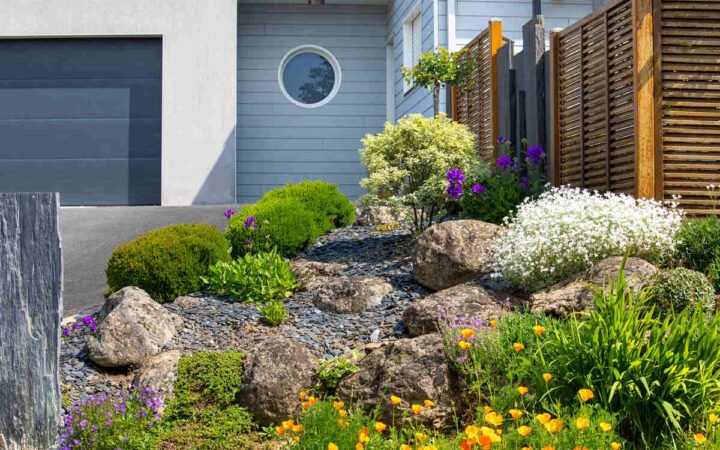
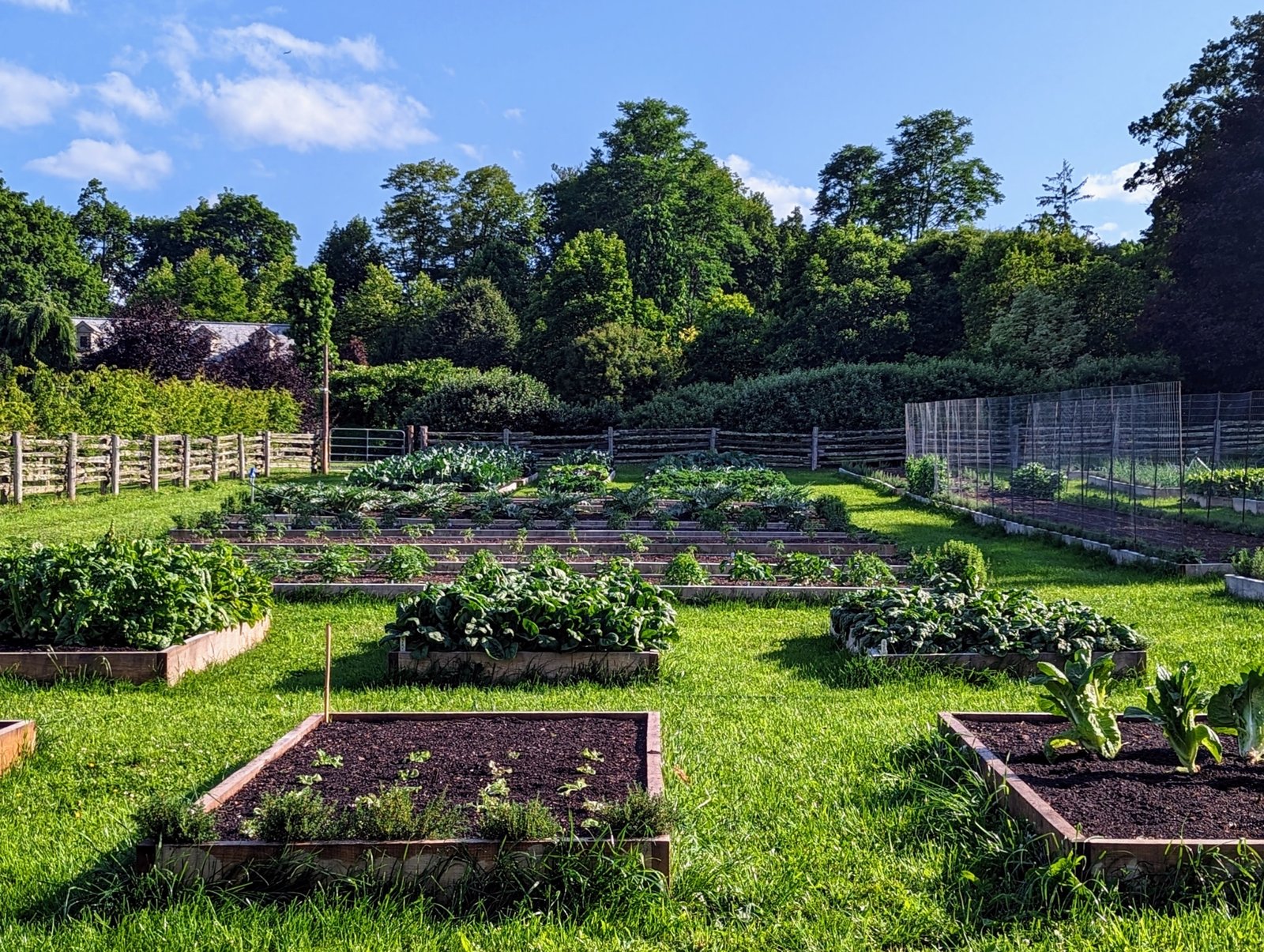
Standing in a tiny backyard trying to picture where anything could possibly go is genuinely frustrating. Most people assume a proper garden needs space they simply don’t have, but a good small backyard garden layout can make even 150-200 square feet feel surprisingly full and organized. I’ve designed my own 180 sq ft backyard twice over the years, and the second attempt — after I actually planned it instead of just planting randomly — looks about three times bigger than it did before.
The trick isn’t cramming in more plants. It’s using vertical space, choosing the right layout shape, and being honest about what you’ll actually maintain. A garden that looks great on day one but becomes an overgrown mess by month three isn’t much of a win.
This guide walks through practical layout ideas that work specifically for smaller Indian homes and plots.
Why Layout Matters More Than Plant Choice in Small Spaces
Featured snippet answer: Layout matters more than plant choice in small backyards because poor spatial planning wastes usable area, regardless of how good individual plants look. A well-planned small backyard garden layout uses vertical space, zones by function, and leaves clear pathways, making even compact spaces feel organized and larger than they are.
Everyone obsesses over which plants to buy first. Honestly, that’s backwards.
I’ve noticed friends spend thousands of rupees on plants only to realize afterward there’s nowhere sensible to put half of them. A proper layout plan, done before any shopping, saves both money and the awkward reshuffling later.
Think of layout as the skeleton and plants as decoration. Get the skeleton wrong, and no amount of pretty flowers fixes a backyard that feels cramped or chaotic.
Measuring and Mapping Your Space First
Before sketching anything, actual measurements matter more than guesswork.
- Measure the total length and width of your backyard, including any irregular corners
- Note fixed elements — walls, drainage points, existing trees, electrical meters
- Mark sun exposure throughout the day; most Indian backyards get intense afternoon sun on at least one side
- Sketch a rough grid on paper, even a basic one, before deciding where anything goes
A friend in Nagpur skipped this step entirely and planted a mango sapling right where her water tank’s shadow falls for six months a year. Three years later, it’s still struggling. Fifteen minutes of mapping would’ve avoided that entirely.
Related guidance: Best Drought Resistant Garden Plants for Indian Homes
Zoning Your Small Backyard Garden Layout by Function
Featured snippet answer: Zoning a small backyard garden layout means dividing the space into distinct functional areas — seating, planting, and utility — rather than mixing everything together. This creates visual clarity and makes the garden feel more spacious, even in areas under 200 square feet.
Even a tiny backyard benefits from having designated zones instead of one blended mess.
- Seating zone — even a small bench or two plastic chairs create a clear “sit here” area
- Planting zone — group taller plants toward the back or sides, shorter ones near pathways
- Utility zone — space for a compost bin, gardening tools, or a small storage box, tucked into a corner
Keeping these zones visually separate, even with something as simple as a low border of bricks or potted plants, makes the whole space read as intentional rather than crowded.
Using Vertical Space to Maximize Small Areas
This is honestly the single biggest game-changer for cramped backyards, though I’ll avoid using that exact word again since it’s overused everywhere.
- Wall-mounted planters add greenery without eating floor space at all
- A simple trellis lets climbers like money plant, jasmine, or passionflower grow upward instead of sprawling
- Hanging baskets work well for herbs and small flowering plants, especially along a boundary wall
- Tiered plant stands fit three to four pots in the footprint one would normally take
I’d argue vertical gardening solves more small-space problems than clever furniture ever does. A 6-foot wall used properly can hold as much greenery as an extra 30-40 square feet of ground space would.
[link to related guide about drought resistant plants for small gardens here]
Choosing the Right Layout Shape for Your Backyard
Different backyard shapes call for genuinely different layout approaches — a long narrow strip needs different planning than a square courtyard.
- L-shaped backyards — work well with an L-shaped planting bed that follows the natural corner, leaving the open middle for seating
- Narrow rectangular yards — a single central pathway with planting on both sides usually looks cleanest
- Square or near-square plots — a circular or diagonal path breaks the boxiness and makes the space feel less rigid
Has this ever happened to you — a backyard that just feels awkward no matter what you put in it? Nine times out of ten, it’s because the layout is fighting the natural shape instead of working with it.
Choosing Paths and Walkways That Don’t Waste Space
Pathways feel like wasted space in a small backyard, but skipping them entirely usually backfires.
- Stepping stones use less material and space than a full paved path, while still guiding movement clearly
- Keep paths at least 2 feet wide for comfortable walking, even in tight layouts
- Curved paths, even slight ones, make small spaces feel less boxy than perfectly straight lines
- Gravel or loose stone paths cost less than ₹80-₹100 per square foot and drain well during monsoon
Straight paths do have their place too, particularly in very narrow yards where a curve would just look forced.
[link to related guide about seasonal garden maintenance for Indian homes here]
Container Gardening Solutions for Tiny Backyards
If ground space is genuinely minimal, containers solve a lot of problems that in-ground planting can’t.
- Group pots of varying heights together rather than lining them up uniformly — it looks more natural
- Terracotta pots handle Indian heat better than plastic, which tends to overheat plant roots in direct sun
- Self-watering containers reduce the daily watering burden, useful for working professionals with limited time
- Mobile pots on wheeled stands let you rearrange the layout seasonally without much effort
Picture a small business owner in Jaipur running a home-based bakery who turned an unused 100 sq ft backyard corner into a container herb garden. It supplies fresh mint, curry leaves, and coriander for the kitchen, and honestly looks better than most decorative gardens three times its size.
[link to related guide about DIY versus professional garden design here]
Common Mistakes People Make in Small Backyard Layouts
- Overplanting early, not accounting for how much plants grow within a year
- Ignoring drainage, which becomes obvious the first heavy monsoon and ruins low-lying beds
- Placing tall plants where they block light to smaller ones behind them
- Skipping a maintenance plan entirely, resulting in an overgrown mess within a few months
- Choosing furniture or decor that’s too bulky for the actual available space
FAQs
How much space do I need for a proper small backyard garden layout? Even 100-150 square feet is enough for a functional layout with clear zones, provided the design uses vertical space and avoids clutter. Bigger isn’t always necessary if the planning is done well.
What’s the best shape for a very narrow backyard? A single straight pathway along one side with planting beds on the other usually works best for narrow yards, since it avoids wasting width on wide paths.
Can I include a seating area in a really small backyard? Yes, even a compact bench or two folding chairs tucked into a corner works fine. It doesn’t need to be elaborate — just enough to create a clear “relax here” spot.
Is container gardening better than in-ground planting for small yards? For very tight spaces, yes, since containers offer more flexibility and better drainage control. In-ground planting works better when there’s at least some open soil area to work with.
How do I stop my small garden from looking cluttered? Zoning helps a lot — keep planting, seating, and utility areas visually distinct, even with simple borders. Avoiding overplanting in the first year also prevents that cramped look later.
Do I need professional help to design a small backyard garden layout? Not necessarily, though a one-time consultation, often available for ₹1,500-₹3,000 in most Indian cities, can save costly trial-and-error mistakes for anyone unsure where to start.
Wrapping Up
Designing a good small backyard garden layout really comes down to planning before planting, using vertical space wisely, and being honest about how much maintenance you’ll realistically keep up with. Zones, pathways, and the right shape for your specific plot matter far more than how many plants you cram in.
Heading into 2026, with more Indian homes working with compact plots than ever, smart small-space gardening is only going to matter more. So before you buy another plant this weekend, grab a notebook, sketch your space out properly, and figure out the layout first — the plants can wait a day or two.