
Buying or selling a house is stressful enough without wondering if the person guiding you actually knows what they’re doing. Figuring out how to choose a real estate agent is one of those decisions people rush through — and then regret for months. I’ve seen it happen to friends in Jaipur who picked an agent because he was “the cousin’s neighbour” and ended up losing nearly two weeks of negotiating leverage because he simply didn’t push back on a lowball offer. This guide is the one I wish someone had handed them.
Why Picking the Right Agent Matters More Than You Think
Choosing a real estate agent isn’t just about finding someone with a license and a smile. It’s about finding someone whose incentives, knowledge, and communication style actually line up with what you need.
A good agent can save you lakhs. A bad one can cost you just as much — through bad advice, missed deadlines, or simply not knowing the neighbourhood well enough to price a property correctly. Think about it this way: would you hire a lawyer without checking if they’d ever handled a case like yours? Same logic applies here, and yet most people skip it entirely.
Here’s the thing nobody tells you upfront — agents aren’t interchangeable. Two agents in the same city, same brokerage even, can produce wildly different outcomes on the exact same property. I’ve watched it happen with near-identical flats in Vaishali Nagar, sold six weeks apart, with a price gap of almost 8%.
The Real Cost of a Bad Agent Choice
Direct answer: A poorly chosen agent typically costs sellers 5-10% in lost sale value through underpricing or weak negotiation, and costs buyers time — sometimes months — through missed listings, slow paperwork, or steering toward properties that pay the agent a higher commission.
Start By Getting Clear On What You Actually Need
Before you even start Googling names, sit down and figure out your own situation. Are you selling a family home you’ve lived in for twenty years? Buying your first flat with a tight budget? Investing in a second property purely for rental income? Each of these needs a genuinely different kind of agent.
A first-time buyer needs patience and hand-holding. An investor needs someone sharp on numbers and rental yields, who won’t waste their time showing emotionally-driven “dream home” listings. A seller in a hurry needs someone aggressive about pricing and marketing, not someone who’ll let the listing sit for four months.
Ask yourself:
- What’s my timeline — flexible, or do I need to close in 60 days?
- Do I know the locality well, or am I relying entirely on the agent’s local knowledge?
- Is this a high-value transaction where even a 1% difference in negotiation matters a lot?
- Am I comfortable being pushed, or do I want a softer, more consultative approach?
Write the answers down. Seriously — it sounds basic, but it changes who you shortlist.
Check Their Track Record, Not Just Their Talk
Anyone can say “I’ve closed hundreds of deals.” How to choose a real estate agent wisely comes down to verifying that, not just nodding along.
Ask for actual addresses (or at least localities) of recent sales — not just a number. Ask how long those properties sat on the market before selling. In Jaipur’s residential market, a well-priced 3BHK in a decent society shouldn’t sit for more than 45-60 days if it’s marketed properly. If an agent’s typical listings are dragging past 90 days, that tells you something.
A few things worth digging into:
- How many transactions have they closed in the last 12 months, specifically in your target area or property type?
- Can they name two or three recent clients you could call (most won’t offer this unprompted, so ask)?
- What’s their average difference between listing price and final sale price?
I’ll be honest — I’m a bit skeptical of agents who dodge question #3. A confident, competent agent usually has this number memorized because they track it themselves.
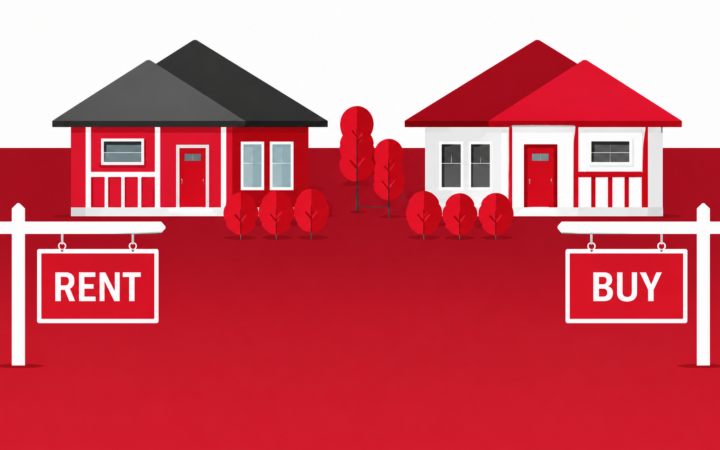
Related guidance: Renting vs Buying a Home: What Makes Sense in 2026?
Local Market Knowledge Is Non-Negotiable
Direct answer: A good real estate agent should know recent comparable sales in your specific locality within the last 3-6 months, current inventory levels, and typical negotiation margins — generic city-wide knowledge isn’t enough.
This one trips people up constantly. An agent who’s brilliant in Mansarovar might be genuinely lost when it comes to pricing something in Malviya Nagar or C-Scheme. Property markets vary block by block, not just city by city.
Test this directly. Ask them: “What have comparable 2BHKs sold for in this specific society or street in the last few months?” A strong agent answers with actual figures, maybe even pulls up recent transaction data on their phone. A weak one gives you a vague range that could apply to half the city.
This matters even more for plots and independent houses, where pricing is far less standardized than apartments. Location-specific quirks — a corner plot, road width, a nearby under-construction flyover — genuinely swing value, and only someone who actually works that area will factor them in properly.
Communication Style Matters More Than People Admit
Here’s something rarely discussed: does this person actually respond to you? Not eventually — promptly.
I’ve noticed that the agents who are genuinely good at their job also tend to be the most responsive, almost without exception. It’s not a coincidence. Someone juggling forty half-hearted clients doesn’t have room to call you back the same day.
During your first few interactions, pay attention to:
- Do they answer calls, or does everything go through a junior assistant you’ve never met?
- Are their WhatsApp responses actually answering your question, or generic copy-paste replies?
- Do they proactively update you, or do you have to chase for every scrap of news?
Picture this: you’re a working professional in Mumbai trying to buy a flat in Jaipur remotely, for your parents. You genuinely can’t afford an agent who takes three days to reply to “has the seller responded yet?” That kind of delay can lose you a good property to a faster buyer.
Understand How They’re Paid — And Ask About It Directly
Commission structures vary, and honestly, a lot of buyers never even ask. In India, it’s typically 1-2% from each side of the transaction, though this shifts depending on the city and property value.
Here’s the uncomfortable bit: an agent working purely on commission has an incentive to close deals fast, sometimes faster than is actually good for you. That doesn’t make every commission-based agent dishonest — most aren’t — but it’s worth being aware of the incentive sitting underneath the relationship.
Ask directly:
- What’s your commission percentage, and is it negotiable?
- Are you representing only me, or also the other party in this deal (dual agency happens more often than people realize)?
- Are there any additional charges — documentation, legal liaison, etc.?
Get this in writing before you sign anything. A verbal “don’t worry, we’ll sort it out” is not a substitute for a clear, written agreement.
[link to related guide on real estate commission structures in India here]
Verify Credentials and Legal Compliance
Choosing a real estate agent without checking their registration is a bit like hiring a contractor without checking if they’re licensed — technically you can, but why would you?
In India, check whether the agent or their agency is registered under RERA (Real Estate Regulatory Authority) where applicable. Many states require agent registration for transactions involving RERA-registered projects. It won’t matter for every single deal, but for anything involving a builder or a large housing project, this is worth confirming.
A few quick checks:
- Ask for their RERA registration number and verify it on the state RERA website
- Confirm they’re affiliated with a recognized brokerage or association
- Check if there are any consumer complaints filed against them (state RERA portals often list this)
This step takes maybe twenty minutes. Skipping it has cost people a lot more than twenty minutes of headache later.
Interview Multiple Agents — Don’t Settle On The First One
Would you buy the first car you test-drove? Probably not. Yet plenty of people hire the first agent they speak to, purely out of convenience or a referral obligation.
Talk to at least three agents before deciding. It doesn’t need to feel like a formal interview — a fifteen-minute conversation about your property or your search reveals a lot. Notice who asks you thoughtful questions versus who launches straight into a sales pitch.
A quick comparison approach that’s worked well for people I know:
- Agent A: strong on numbers, weaker on communication
- Agent B: great communicator, but newer to the specific locality
- Agent C: solid all-round, but higher commission ask
There’s rarely a perfect agent who wins every category. You’re picking the best trade-off for your specific priorities — which loops right back to that first step of knowing what actually matters to you.
Trust Your Gut, But Back It With Evidence
At some point, all the checklists in the world won’t replace a simple feeling: do you trust this person? If something feels off — evasive answers, pressure to sign immediately, vague promises — that’s data too, not just nerves.
That said, don’t let gut feeling override red flags you’ve already confirmed on paper. If an agent is charming but couldn’t answer your locality-specific pricing question earlier, the charm doesn’t cancel that out.
[link to related guide on red flags when buying resale property here]
Frequently Asked Questions
How much commission does a real estate agent charge in India? It typically ranges from 1% to 2% of the transaction value, split between buyer-side and seller-side agents, though this can vary by city and negotiation. Always confirm the exact percentage in writing before signing anything.
Can I use two different real estate agents at once? Legally, yes, in most cases — but it can get messy and sometimes creates awkward situations where two agents claim credit for the same lead. Most experienced buyers eventually settle on one agent they trust rather than juggling multiple.
How do I know if a real estate agent is trustworthy? Check their track record, verify RERA registration where applicable, ask for references, and pay attention to how transparently they answer direct questions about pricing and commission. Trustworthy agents rarely dodge specifics.
Is it better to choose a local agent or a big brokerage firm? Depends on your priority — a hyperlocal independent agent often has sharper on-ground pricing knowledge, while a bigger firm may offer more listings and legal backup. Neither is automatically better; match it to your specific situation.
Should I choose an agent based on the lowest commission rate? Not necessarily. A slightly higher commission from an agent who negotiates well can easily net you more money overall than a cheap agent who underprices your property or misses better offers.
How long does it usually take to find the right real estate agent? If you interview two to three agents and check their references properly, most people can make a confident decision within a week or two. Rushing this step is usually where problems start.
Final Thoughts
Getting how to choose a real estate agent right isn’t about finding someone perfect — it’s about finding someone whose strengths match your actual situation, who communicates well, and who’s transparent about how they get paid. Check the track record. Verify the credentials. Talk to more than one person before deciding.
If you’re starting your search this year, treat 2026’s market the way you’d treat any high-stakes hire — with a bit of healthy scepticism and a genuine checklist, not just gut instinct. The right agent won’t mind the questions. Honestly, if they get defensive when you ask for references or numbers, that tells you everything you need to know before you’ve even signed a thing.