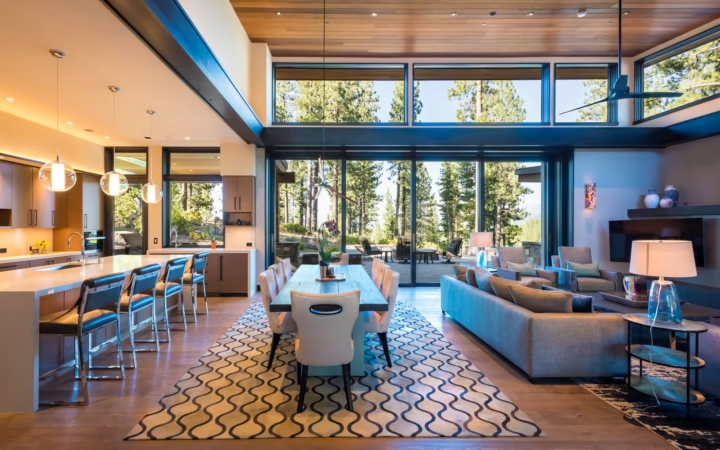
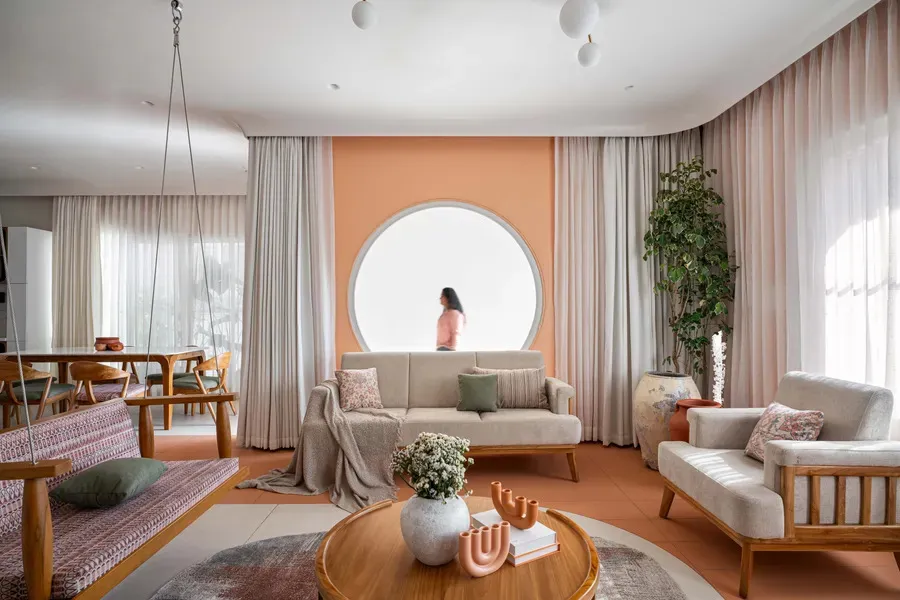
Ever walked into your own living room and felt tired just looking at it? That was me, about two years ago, staring at a shelf full of things I hadn’t touched since my college days. That’s usually when people start googling minimalist home design ideas — not because they read about it in a magazine, but because their house feels like it’s shouting at them.
Minimalism isn’t about owning nothing. It’s about owning things that actually earn their spot in your home. And in 2026, with apartment sizes shrinking in most Indian cities and work-from-home setups eating into living space, this approach matters more than ever. Let’s get into how you actually pull this off — not just the Pinterest version, the real one.
What Does Minimalist Home Design Actually Mean?
Minimalist home design is the practice of keeping only what serves a purpose or brings genuine value, then arranging it with intention. It’s function first, decoration second — not zero decoration.
A lot of people hear “minimalist” and picture a bare white room with one chair in the corner. That’s not it. I’ve been in minimalist homes that felt warmer than maximalist ones stuffed with furniture. The difference is every object has a reason to be there. Nothing is filler.
This design philosophy grew out of mid-century Japanese and Scandinavian sensibilities — both cultures dealing with small living spaces long before “tiny apartment” became a trending hashtag. The core idea: fewer, better things. Not fewer, cheaper things.
Where people get it wrong is thinking minimalism means spending less. Sometimes it costs more upfront, because you’re buying one solid wooden bed frame instead of three flimsy pieces of furniture you’ll replace in five years.
Why Clutter Builds Up Even When You Don’t Notice It
Clutter rarely arrives all at once. It creeps in — a gift here, a “might need it later” purchase there, three years pass, and suddenly your cupboard doesn’t close properly.
Here’s the honest truth: most clutter isn’t about the object. It’s about decisions we didn’t want to make. Keeping something is easier than deciding to throw it away or admitting we wasted money on it.
Some common clutter sources I’ve noticed in Indian households specifically:
- Festival decorations bought once, used once, stored forever
- Old electronics — chargers for phones nobody owns anymore
- Kitchen gadgets gifted during weddings that never left the box
- Clothes kept “for when I lose weight” (we’ve all done this)
- Paper — bills, warranty cards, pamphlets nobody reads
Has this ever happened to you — opening a drawer just to shove something in, then never opening it again for months? That drawer is basically a clutter time capsule.
Start With One Room, Not the Whole House
Direct answer: Pick your bedroom or living room first, since these are used daily and give the fastest visible payoff. Trying to declutter an entire house in one weekend usually leads to burnout and half-finished piles everywhere.
I made this mistake myself. I once tried to “sort out the whole flat” in a single Sunday. By evening I had five garbage bags, a half-sorted bookshelf, and zero motivation left. Lesson learned — go room by room.
A practical order that tends to work:
- Bedroom (you’ll sleep better, promise)
- Living room or hall
- Kitchen
- Storage areas — lofts, under-bed space, that one cupboard nobody opens
- Bathroom
- Home office or study corner
Give yourself a realistic timeline. One room a weekend is doable for most people juggling work and family. Don’t rush it just to hit some arbitrary “declutter in 7 days” challenge you saw online — those rarely account for real life.
Related guidance: Open Concept Floor Plan vs Traditional: Which Wins in 2026?
The Three-Box Method for Sorting Belongings
This is old advice, but it still works better than anything fancier I’ve tried. Grab three boxes or bags: Keep, Donate, Discard. Every item you touch goes into exactly one.
Direct answer: The three-box method forces a quick decision on every item — keep, donate, or discard — instead of letting things sit in a vague “maybe” pile that never gets resolved.
The trick is speed. Don’t deliberate for ten minutes over an old T-shirt. Give yourself five seconds per small item, maybe thirty for bigger, sentimental things. If you’re still unsure after that, put it in a fourth “revisit in 3 months” box and store it somewhere out of sight. If you haven’t missed it after three months, donate it without opening the box again.
In cities like Jaipur, Delhi, or Mumbai, there are local NGOs and even scrap dealers (kabadiwalas) who’ll happily take usable clothes, books, and utensils off your hands — so donating isn’t even inconvenient. [link to related guide about donating household items in India here]
Choosing Furniture That Supports a Minimalist Home
Furniture is where most clutter-free plans quietly fall apart. People declutter, then go furniture shopping and undo half the work by buying pieces with no real function.
Good minimalist furniture usually does two things at once. A bed with drawers underneath. A coffee table that also stores magazines and remote controls. An ottoman that opens up for blankets. Multi-use pieces aren’t a trend — they’re just smart for small Indian apartments where every square foot costs money.
Some things worth checking before buying furniture:
- Does it serve more than one purpose?
- Can it be disassembled easily if you move (common in rented flats)?
- Is the material solid enough to last 10+ years, or is it particle board dressed up nicely?
- Does the size actually match the room, or did you fall for a showroom photo that made it look smaller?
I’ll admit a bias here — I’m not a fan of all-white minimalist furniture that Instagram loves so much. It shows dust and stains within weeks in Indian weather, especially during monsoon. Warm wood tones or muted greys age a lot better in real homes.
Color Palettes and Textures for a Clutter-Free Look
Minimalist home design ideas almost always lean on a restrained color palette — usually two to three main colors, plus one accent. This isn’t a strict rule, but it does the visual heavy lifting of making a space feel calm rather than chaotic.
Whites, beiges, warm greys, and soft earth tones are common starting points. But don’t confuse “neutral” with “boring.” Texture does a lot of the work that color usually does — a linen curtain, a jute rug, a rough clay vase. These add depth without adding visual noise.
A quick example: a friend of mine converted her bedroom using just three colors — off-white walls, a walnut-brown bed frame, and a single mustard-yellow cushion as the accent. That’s it. The room reads as intentional, not empty, because the eye isn’t fighting six competing patterns at once.
Avoid going pure white everywhere though, especially in rooms that get heavy daily use like kids’ rooms or kitchens. It photographs beautifully but requires constant upkeep that most busy households genuinely don’t have time for.
Smart Storage Solutions That Hide (Not Hoard) Stuff
Storage is where minimalism and practicality shake hands. The goal isn’t to make things disappear into a hoard behind closed doors — it’s to give every item a designated home so it’s easy to put away and easy to find.
Vertical storage is underused in most Indian homes. Wall-mounted shelves, hooks near the entryway for keys and bags, and tall narrow cabinets free up floor space dramatically. Floor space, more than anything else, is what makes a room feel open.
Some storage habits worth building:
- One shelf, one category — books stay with books, not mixed with random knick-knacks
- Label boxes if you’re storing seasonal items (winter blankets, festival lights)
- Use drawer dividers in kitchens — a ₹200 investment that saves daily frustration
- Keep surfaces (counters, tables, TV units) at 80% empty as a rough rule of thumb
Picture a small business owner in Jaipur running her boutique’s accounts from a home office corner. Her desk used to be covered in invoice printouts, sample fabric swatches, and three different notebooks. After adding one filing tray and a small wall organizer, the same 4-foot desk suddenly felt twice as big — nothing physically changed except where things lived.
Digital Decluttering as Part of Minimalist Living
People forget this part constantly. Minimalism isn’t just about physical objects anymore — your phone home screen, your laptop desktop, and your inbox are part of your living environment too.
Direct answer: Digital clutter — thousands of unread emails, dozens of unused apps, a messy desktop — creates the same mental fatigue as physical clutter, so a genuinely clutter-free space includes decluttering your devices, not just your rooms.
I unsubscribed from around 40 mailing lists last year in one sitting. My inbox went from 200+ unread emails a week to maybe 15. It sounds small, but it changed how anxious I felt opening my phone in the morning. Try it — you’ll be surprised how many of those subscriptions you don’t even remember signing up for.
Practical digital minimalism steps:
- Delete apps you haven’t opened in 60 days
- Organize files into a simple folder system — not fifteen nested subfolders
- Turn off non-essential notifications
- Clean your desktop weekly, not “eventually”
This ties directly into the same philosophy driving the physical side of minimalist home design — reduce friction, reduce noise, keep only what adds value. [link to related guide about digital organization tools here]
Maintaining a Minimalist Home Long-Term
Decluttering once is the easy part, honestly. Keeping it that way is where most people fall off. Without a system, clutter just quietly rebuilds itself within six months.
A rule I use personally: one thing in, one thing out. Buy a new pair of shoes? An old pair leaves the house that same week. This single habit alone stops the slow creep that undoes months of decluttering work.
Set a recurring 20-minute reset every Sunday — just walk through the house and put things back where they belong. It sounds almost too simple to matter, but it’s the difference between a home that stays clutter-free and one that needs a full re-declutter every festive season.
Also, be honest about impulse buying, especially during sales. Big billion days and festive discounts are clutter’s best friend. Ask yourself — where exactly will this live in my home? — before adding anything to cart. If you can’t answer that in ten seconds, don’t buy it yet.
FAQs About Minimalist Home Design
Is minimalist home design expensive to achieve? Not necessarily. A lot of it is about removing things, not buying new ones. When you do buy furniture, spend a bit more on fewer, better pieces rather than filling rooms with cheap items that need replacing every couple of years.
How do I convince my family to go minimalist when they like collecting things? Start with shared spaces only — living room, hallway — and leave personal rooms alone. Most people come around once they see how much calmer a decluttered common area feels, without you forcing anything on their personal belongings.
What’s the difference between minimalist and modern home design? Modern design refers to a specific style era and aesthetic — clean lines, certain materials, glass and steel accents. Minimalism is a philosophy about quantity and intention that can actually be applied to any style, including traditional Indian interiors.
How often should I declutter to keep a minimalist home? A light pass every month and a proper deep declutter twice a year works well for most households. Doing it once a year alone usually lets too much pile up in between.
Can a small rented flat still follow minimalist design principles? Yes, actually rented flats benefit the most since minimalism reduces what you need to pack and move. Focus on furniture that’s easy to disassemble and storage that doesn’t require permanent wall drilling.
Do minimalist homes feel cold or unwelcoming? Only when done badly. Texture, warm lighting, and a couple of personal objects — a photo, a plant, a favourite book — keep a minimalist space feeling lived-in rather than like a showroom nobody actually uses.
Final Thoughts
Going minimalist isn’t a one-weekend project, and honestly, anyone who tells you otherwise is selling something. It’s a slow shift — one room, one drawer, one honest decision at a time about what actually deserves space in your home.
Start small. Pick one shelf this week. Sort it using the three-box method, notice how it feels, and build from there. That’s really the whole secret behind good minimalist home design ideas — not a magic checklist, just consistent small choices that add up to a home that feels lighter to live in.