Does your home look exactly the same in June as it does in December? For a lot of us, the answer is yes — and honestly, that’s a missed opportunity. A home that shifts a little with the seasons feels alive. It feels lived in, not just decorated once and left alone.
Good seasonal home decorating ideas don’t need a full furniture overhaul every few months. Most of the time, it’s small, smart swaps — a cushion cover here, a different table runner there — that completely change the mood of a room. In 2026, with so many affordable décor options available online and in local markets, refreshing your space each season is easier (and cheaper) than most people assume. Let’s go room by room, season by season.
Why Seasonal Decorating Matters More Than People Think
Direct answer: Seasonal decorating keeps a home feeling fresh and connects the space to what’s happening outside — festivals, weather changes, natural light shifts — without requiring a full renovation. Small seasonal touches also make a home easier to sell or rent, since it photographs as well cared for.
I’ve noticed something interesting doing this for a while now: people spend a lot on one “final” decorating scheme and then wonder why the house feels a bit flat after a year or two. Nothing changes, so nothing feels new.
Seasonal touches fix that without the big spend. A summer home with light linen throws and pale colors feels genuinely cooler, even before the AC kicks in. Come Diwali, the same room with brass diyas, marigold garlands, and warmer lighting feels like a completely different space.
It’s also just… satisfying? There’s something nice about packing away the monsoon-proof rugs and pulling out the festive cushion covers each year. It gives the house a rhythm, the same way our own routines shift with the calendar.
Summer Decorating: Keeping Things Light and Cool
Direct answer: Summer home decorating focuses on light fabrics, pale color palettes, and reducing visual clutter to create a cooler, more breathable feel — think linen, cotton, whites, and soft blues over heavy textiles and dark tones.
Summers in most of India are no joke, and your décor can either work with that heat or fight against it. Heavy velvet cushions and thick curtains just look wrong (and feel wrong) in April.
Swap in:
- Light cotton or linen cushion covers, ideally in whites, pale blues, or soft greens
- Sheer curtains instead of heavy drapes — they still block harsh sun but let air move through
- Fresh flowers or even simple green plants on the dining table instead of dense floral arrangements
- Cane or rattan furniture pieces, if you’ve got the budget — they visually cool down a room instantly
Picture a family in Jaipur redoing their balcony seating for summer — swapping the dark cushions for pale cotton ones, adding a small tabletop fountain, maybe a jute rug. The space genuinely feels ten degrees cooler just by looking at it, even before anyone sits down.
Monsoon Decorating: Practical Meets Pretty
This season gets ignored a lot in decorating conversations, which is odd, because monsoon really does call for its own approach. Damp, humidity, the occasional leak near a window — practical concerns come first here.
Related guidance: Wall Decor Ideas That Actually Transform a Room
A few things worth doing:
- Swap fabric-heavy rugs for washable or synthetic-blend ones near entryways, since shoes track in mud and water constantly
- Add a few warm-toned lamps to counter the grey, overcast light that monsoon days bring
- Keep a small tray or mat near the door specifically for wet umbrellas — not glamorous, but it saves your floor and your décor both
Beyond the practical stuff, monsoon is a nice excuse to bring in deeper greens and earthy tones — they match the outside world and feel cozy against the rain.
Festive Season Decorating: Diwali, Navratri, and Beyond
Direct answer: Festive home decorating typically layers warm lighting, traditional elements like diyas or rangoli, and richer colors — gold, maroon, deep orange — over the home’s existing base decor, rather than replacing everything, keeping costs manageable while still transforming the mood.
This is probably the season most Indian homes go all out for, and fair enough — festivals like Diwali and Navratri are built around light and color. Has your street’s entire vibe changed the week before Diwali? Mine does, every year.
The trick with festive decorating is layering, not replacing. You’re not buying new furniture — you’re adding string lights, hanging torans at the doorway, setting out diyas along windowsills, maybe a fresh rangoli design at the entrance each morning.
- Brass and copper accents work beautifully here — they catch warm light and feel instantly festive
- Marigold garlands, real or artificial, are inexpensive (often under ₹200 for a decent length) and transform a doorway in minutes
- Layer multiple light sources — fairy lights, diyas, maybe a single statement lantern — rather than relying on one bright overhead light
[link to related guide on Diwali home lighting ideas here]
Winter Decorating: Warmth Without Overdoing It
Direct answer: Winter decorating brings in warmer textures and tones — wool throws, deeper colors, layered rugs — to make a home feel cozier as temperatures drop, along with warmer-toned lighting to counter shorter, greyer days.
Winter in North India, especially somewhere like Rajasthan, gets colder than people outside the region expect. Nights can dip into single digits in December and January.
This is where texture does a lot of the work:
- Wool or heavier cotton throws draped over sofas and chairs
- A thicker rug underfoot, layered over a thinner base rug if you want that “designed” look
- Candles or warm-toned bulbs instead of stark white lighting — it changes the whole feel of a room in the evening
I’ll be honest, I think people overdo dark colors in winter thinking it “feels warmer.” A few deep tones as accents work great, but an entire room in maroon and forest green can start feeling heavy after a few weeks. Balance it with at least one lighter surface — a cream rug, a pale wall — so the room doesn’t feel like it’s closing in on you.
Budget-Friendly Ways to Decorate Seasonally
Direct answer: Seasonal decorating on a budget works best by rotating a small set of versatile pieces — cushion covers, table runners, a few statement accessories — rather than buying new furniture each season, keeping total seasonal spend typically under ₹5,000-8,000 per refresh.
You really don’t need a big budget for this, and I’d argue overspending each season actually works against the whole point — the charm is in the small, easy swap.
Some ideas that don’t strain the wallet:
- Buy 2-3 sets of cushion covers per season rather than new cushions entirely — covers cost a fraction of full cushions
- Reuse the same vases and containers, just change what’s inside them (dried flowers for winter, fresh marigolds for festive season, greenery for summer)
- Local markets, especially around festival time, often have seasonal décor items far cheaper than big retail stores — worth the extra bargaining effort
- Store off-season items properly (dry, sealed bags for fabric pieces) so they last multiple years instead of degrading after one season
[link to related guide on budget home styling tips here]
Small Space Seasonal Decorating: Apartments and Rentals
If you’re in a rented flat or a smaller apartment, big seasonal changes aren’t always practical — or even allowed, depending on your landlord. That’s fine, because small spaces actually benefit more from focused, minimal changes than large sprawling ones do.
Pick 2-3 “anchor” spots — maybe the entryway console, the dining table centerpiece, and one wall shelf — and rotate décor only in those spots each season. It creates the feeling of change without the clutter or the cost of redoing an entire flat. [link to related guide on decorating small rental apartments here]
Suggested Image Alt Text
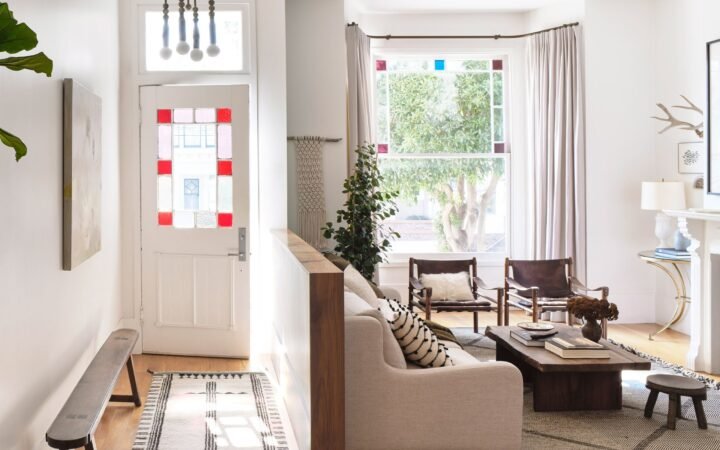
- “Living room decorated with light linen cushions and sheer curtains for summer”
- “Diwali diyas and marigold garland decorating a home entrance doorway”
- “Cozy winter living room with wool throw and warm lamp lighting”
Frequently Asked Questions
How often should I change my home décor for the seasons? Most people refresh their décor 3-4 times a year — roughly aligning with summer, monsoon, festive season, and winter. You don’t need to change everything each time; even swapping cushion covers and lighting can make a noticeable difference.
What’s the cheapest way to decorate seasonally? Rotating a small set of versatile items — cushion covers, table runners, a few candles or diyas — is by far the cheapest approach. Local markets around festival season often have better prices than big retail stores, so it’s worth shopping around.
Do I need to store off-season décor items separately? Yes, ideally in sealed, dry storage bags or boxes, especially fabric items like cushion covers and throws. Humidity, particularly during monsoon, can damage fabric or cause mildew if items are stored carelessly.
Can seasonal decorating work in a small rental apartment? Definitely — in fact, small spaces often work better with a few focused seasonal touches rather than a full redo. Pick a couple of key spots, like an entryway table or a shelf, and rotate décor there instead of trying to change the whole flat.
What colors work best for festive season decorating? Warmer, richer tones tend to dominate festive decorating in India — gold, maroon, deep orange, and touches of red. Brass and copper accents also pair well with these colors and catch light beautifully during evening celebrations.
Is it necessary to change curtains every season? Not necessary, but it does make a visible difference. Lighter, sheer curtains work well in summer for airflow and brightness, while slightly heavier curtains can add warmth in winter. If a full swap isn’t practical, even changing curtain tie-backs or adding a seasonal valance helps.
Conclusion
You don’t need a big budget or a weekend of hard work to make your home feel seasonal. A few thoughtful swaps — lighter fabrics in summer, warm brass and diyas for festive season, cozier textures in winter — go a long way toward keeping your space feeling fresh and connected to the time of year.
Pick one room this weekend and try just one seasonal change — new cushion covers, a different table runner, whatever feels manageable. See how much of a difference it makes before you tackle the rest of the house.