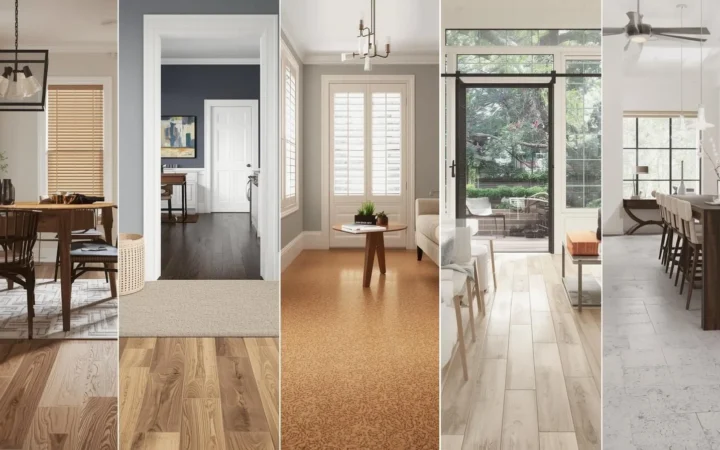
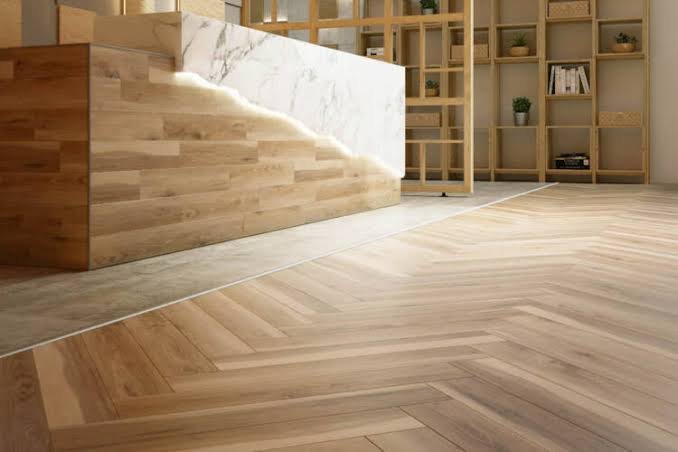
Standing in a flooring showroom, samples in hand, completely stuck between two options that both look great in the display lighting — sound familiar? The vinyl flooring vs tile debate comes up constantly during renovations, and honestly, there’s no universal winner. It genuinely depends on your budget, the room, and how much patience you have for maintenance.
I’ve helped a couple of friends make this exact decision recently, and both times the “obvious” choice on paper wasn’t actually the right one once we factored in their specific situation — kids, pets, monsoon exposure, that sort of thing. So let’s skip the generic pros-and-cons list you’ve probably already seen and get into what actually matters when you’re standing in that showroom, unsure which way to go.
Vinyl Flooring vs Tile: The Quick Answer
Vinyl flooring vs tile comes down to this: vinyl is cheaper, warmer underfoot, and easier to install, while tile offers superior durability, better resale value, and holds up longer under heavy use. Tile suits high-moisture or high-traffic zones better; vinyl works well for budget renovations and quick turnarounds.
That’s the short version. But there’s a lot more nuance depending on which room you’re flooring, what your budget actually looks like, and whether you’re renting or planning to stay for decades.
Let’s get into the real comparison, category by category.
Cost Comparison — Where Your Money Actually Goes
Money’s usually the first question, so let’s start there.
Vinyl Flooring Cost:
- Basic vinyl sheets: ₹40-80 per sq ft
- Luxury Vinyl Tile (LVT): ₹80-180 per sq ft
- Installation: relatively quick, often ₹15-25 per sq ft labor
Tile Cost:
- Ceramic tile: ₹35-90 per sq ft
- Vitrified tile: ₹50-150 per sq ft
- Premium/imported tile: ₹200+ per sq ft
- Installation: ₹25-45 per sq ft labor (more time-intensive, needs skilled masons)
For a 500 sq ft living room, vinyl typically comes out ₹15,000-25,000 cheaper than a comparable mid-range tile job, once you factor in labor and time. That’s not nothing. For a lot of budget-conscious homeowners, that gap alone settles the debate.
But — and I say this as someone who’s genuinely gone back and forth on this — cheaper upfront doesn’t always mean cheaper overall. Vinyl typically needs replacing in 10-15 years. Good vitrified tile can outlast the house’s next two owners.
Durability: Which One Actually Lasts Longer?
This is where tile pulls ahead pretty clearly, though vinyl’s improved a lot in recent years.
Tile, especially vitrified or ceramic, resists scratches and heavy impact far better than vinyl. Drop a heavy pot in the kitchen? Tile barely notices. Vinyl might dent or even crack depending on the quality.
Where tile wins:
- Resists scratches, dents, and heat exposure
- Doesn’t fade under direct sunlight
- Lasts 20+ years with minimal wear
- Handles heavy furniture without denting
Where vinyl holds its own:
Related guidance: Best Flooring for High Traffic Areas: What Actually Holds Up
- More flexible, so it doesn’t crack from structural movement
- Better water resistance at seams if installed correctly
- Softer surface means less chance of chipped ceramics or glassware if dropped
I’ll admit a mild bias here — for anywhere with real foot traffic, I lean toward tile every time. But for bedrooms or a home office where the wear is lighter, vinyl genuinely holds up fine and feels nicer underfoot.
[link to related guide on best flooring for high traffic areas here]
Comfort and Feel Underfoot
Here’s something showroom visits don’t really let you experience properly — how a floor feels day to day, not just in a five-minute walkthrough.
Vinyl is noticeably softer and warmer. Standing in a kitchen for an hour cooking feels less tiring on vinyl than on cold, hard tile. It also muffles sound better, which matters more than people expect in apartments with shared walls or floors above bedrooms.
Tile, especially stone-look vitrified varieties, feels cold underfoot, particularly in winter or in homes without floor heating (which is basically all Indian homes). Some people love that cool feeling in summer, though — it’s genuinely a personal preference thing.
Has this ever happened to you — falling in love with a tile design in the showroom, then regretting it the first cold December morning? It’s more common than you’d think.
Water and Moisture Resistance
In the vinyl flooring vs tile comparison for moisture resistance, tile generally wins for consistent water exposure like bathrooms, while quality vinyl performs comparably well in kitchens if seams are sealed properly during installation.
Bathrooms are really where tile’s advantage shows. It’s completely waterproof at the surface level, doesn’t warp, and handles standing water without issue. Vinyl can handle splashes and spills fine, but sustained water exposure at poorly sealed seams can cause peeling or mold underneath over time.
For kitchens, both perform reasonably well, though I’d still lean tile if there’s a good chance of spills near the stove or sink area regularly.
Quick reference:
- Bathrooms: Tile is the safer, more proven choice
- Kitchens: Either works, but ensure vinyl seams are properly sealed
- Balconies/terraces (monsoon exposure): Tile, no real debate here
- Bedrooms/living rooms: Vinyl is perfectly fine, arguably better for comfort
Installation Time and Process
If you’re short on time or renovating around a tight deadline, this factor might decide things for you.
Vinyl installation is genuinely fast. A standard room can be done in a day or two, sometimes even glued directly over existing flooring without much prep work. That’s a real advantage if you can’t afford to have your home torn up for weeks.
Tile installation takes longer — the base needs to be leveled, tiles laid with proper spacing, grouted, and given time to cure before the space is usable again. Expect anywhere from 4-7 days depending on room size and the mason’s schedule.
Picture a small business owner in Jaipur trying to renovate a retail shop over a long weekend before reopening — vinyl is realistically the only option that fits that kind of timeline. Tile just needs more time to do properly.
Maintenance and Long-Term Care
Maintaining tile mostly means regular sweeping, occasional grout cleaning, and periodic sealing for natural stone varieties. Vinyl needs gentler cleaning products since harsh chemicals can damage the protective wear layer over time.
Tile maintenance is fairly straightforward — sweep, mop, done. Grout lines are the only real hassle; they collect dirt and need scrubbing every few months to stay looking clean.
Vinyl needs a slightly gentler touch. Avoid ammonia-based cleaners and abrasive scrubbing pads, since these can wear down the protective top layer and dull the finish over time. It’s not high-maintenance exactly, just different.
A few practical tips either way:
- Use doormats at entrances to reduce grit scratching either surface
- Clean spills promptly, especially on vinyl seams
- Reseal grout on tile every 12-18 months
- Avoid dragging heavy furniture — lift it, or use felt pads
Resale Value and Aesthetic Appeal
This one matters more than people initially think, especially if you’re not planning to live in the house forever.
Tile, generally, adds more perceived value to a home during resale. Buyers associate it with permanence and quality, rightly or not. Vinyl, even high-end LVT, sometimes gets viewed as a “temporary” or rental-grade material by more traditional buyers, even though modern LVT genuinely looks convincing.
That said, design flexibility favors vinyl in some ways — it comes in styles and patterns that are harder or more expensive to replicate in tile, like realistic wood-plank looks at a fraction of engineered wood’s cost.
[link to related guide on types of flooring materials here]
Which One Should You Actually Choose?
Here’s my honest take after going back and forth on this with multiple people renovating different spaces: there isn’t a single right answer, but there is a right answer for your situation.
Go with vinyl if:
- You’re on a tighter budget
- You want a quick installation turnaround
- Comfort and warmth underfoot matter to you
- The room has lighter foot traffic (bedroom, home office)
Go with tile if:
- The space sees heavy daily traffic or water exposure
- You’re planning to stay long-term or care about resale value
- Durability matters more than upfront cost
- The room is a kitchen, bathroom, or entryway
FAQs About Vinyl Flooring vs Tile
Is vinyl flooring cheaper than tile? Generally yes, especially for basic vinyl sheets compared to mid-range vitrified tile. Premium LVT can close that gap somewhat, but standard vinyl remains the more budget-friendly option upfront.
Which lasts longer, vinyl or tile? Tile wins here comfortably. Good quality vitrified or ceramic tile can last 20+ years, while even premium vinyl typically needs replacing within 10-15 years.
Is vinyl flooring waterproof like tile? Quality vinyl is highly water-resistant if seams are sealed properly, but tile remains more reliably waterproof for constant exposure, like in bathrooms or areas prone to standing water.
Which is better for Indian homes, vinyl or tile? It depends on the room. Tile suits kitchens, bathrooms, and entryways better due to moisture and traffic, while vinyl works nicely in bedrooms and living rooms for added comfort.
Does vinyl flooring feel cheap compared to tile? Modern luxury vinyl tile (LVT) looks quite convincing and doesn’t feel cheap in daily use, though some traditional buyers still associate tile with higher perceived home value.
Can vinyl flooring be installed over existing tile? Yes, in most cases, as long as the existing tile surface is flat, clean, and free of major cracks. This is actually one of vinyl’s biggest practical advantages during renovations.
Conclusion
At the end of the day, the vinyl flooring vs tile decision isn’t about which material is objectively better — it’s about matching the flooring to how you’ll actually use the space. Tile makes sense where durability and water resistance matter most. Vinyl makes sense where comfort, budget, and quick installation matter more.
Walk through your home room by room, think honestly about foot traffic and moisture exposure, and pick accordingly rather than going with whatever looked best under the showroom lights. That one habit alone will save you from a flooring regret a few years down the line.