Most of us don’t give much thought to the water coming out of the kitchen tap. We fill the kettle, rinse vegetables, wash the dishes, and get on with the day. Water is simply there, doing its job. That is, until the glassware starts looking cloudy, the shower leaves stubborn marks, or the water develops a taste that wasn’t there before.
These little changes can be frustrating, particularly when you’re not sure what’s causing them. Sometimes the issue is hard water. In other cases, sediment, plumbing conditions, or substances naturally present in the water supply may be responsible. The first step isn’t necessarily to buy new equipment. It’s to understand the problem and choose a solution that makes sense for your home.
Start by Paying Attention to Your Water
Water quality can vary from one property to another, even within the same neighborhood. Municipal water supplies are generally treated and monitored, but water can still pick up minerals as it travels through pipes. Homes using private wells face a different set of considerations because the water may be influenced by local geology, nearby land use, and seasonal changes.
Hard water is one of the most common household concerns. It contains higher concentrations of minerals such as calcium and magnesium. Over time, these minerals can leave deposits on taps, showerheads, and appliances. You might notice that soap doesn’t lather as easily or that your kettle needs descaling more often than you’d like.
These signs can be useful clues, but they don’t tell you everything about water safety. Clear water isn’t necessarily free from contaminants, and an unusual taste doesn’t automatically mean the water is dangerous. Testing is a more reliable way to investigate a specific concern.
If your home depends on a private well, periodic well water testing is especially important. Depending on local conditions, testing may cover bacteria, nitrates, minerals, and other substances that could affect water quality. A qualified laboratory or local health authority can help identify the appropriate tests. If flooding, nearby construction, or a sudden change in taste or appearance occurs, additional testing may be warranted.
Choosing the Right Treatment Is About More Than Price
Once you understand your water’s characteristics, comparing treatment options becomes much easier. The key is to match the equipment to the issue rather than purchasing a system simply because it promises cleaner, fresher water.
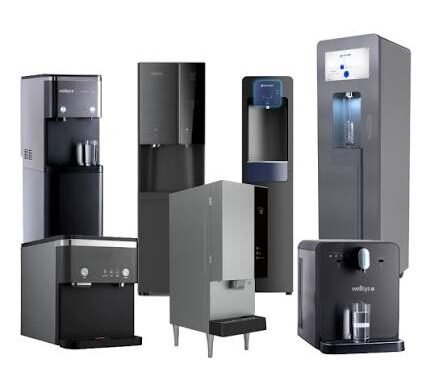
A water softener is designed primarily to reduce hardness minerals. It can help limit scale buildup and may make cleaning easier in households dealing with hard water. A filtration system, on the other hand, can reduce certain substances depending on its design and the filter media used. Reverse osmosis systems may be appropriate when reducing particular dissolved contaminants is a priority.
No single technology solves every water problem. A filter designed to improve taste may not remove bacteria, while a conventional water softener isn’t intended to make contaminated water safe to drink. Product certifications, manufacturer specifications, and independent test results can help you determine what a particular system is capable of doing.
It’s also worth considering how much water your household uses. A small unit might work perfectly for a couple in a compact home but struggle to meet the demands of a large family. Think about peak usage, available space, plumbing arrangements, and how frequently the equipment will need attention.
A trustworthy supplier should explain these details in plain language. If the conversation quickly turns into pressure to purchase the most expensive package, take a step back and compare your options.
Why Professional Installation Matters
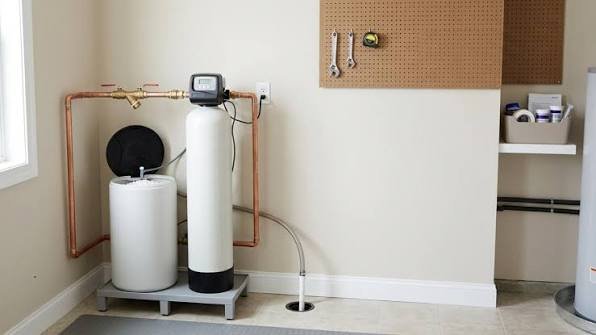
Buying suitable equipment is only half the job. The system must also be installed correctly, with attention to water flow, plumbing connections, drainage requirements, and the manufacturer’s instructions.
A poorly planned setup can lead to leaks, inadequate performance, or unnecessary complications during maintenance. Even a straightforward system needs the right location and enough room for servicing. For larger installations, additional considerations may include electrical connections, bypass valves, and access to shutoff points.
Professional water treatment system installation can help ensure the equipment is matched to the property and connected as intended. Before the work begins, ask the installer to explain the process, expected time frame, and any changes needed to your existing plumbing.
Once installation is complete, request a demonstration. Learn how to check system indicators, identify common warning signs, and find the maintenance instructions. It might feel like a small detail on installation day, but knowing how your equipment works can save considerable frustration later.
Also, clarify what the warranty covers. Some warranties have conditions related to professional installation, water quality, or scheduled servicing. Understanding those requirements early is much better than discovering them when a repair is needed.
Don’t Let Routine Maintenance Slip Through the Cracks
Water treatment equipment needs ongoing care, although the amount varies by system. Filters eventually reach their recommended replacement interval. Water softeners may need salt, and certain components require periodic inspection or cleaning.
It’s easy to forget these tasks when everything appears to be working normally. A simple reminder on your phone or a note near the equipment can make maintenance less of a chore. Keep a record of filter changes, service visits, and any unusual changes in pressure, taste, or water appearance.
For homes with salt-based softeners, maintaining an appropriate salt supply helps the system regenerate according to its design. If the salt level becomes too low, the softener may no longer provide the expected results. The exact impact depends on the equipment and its settings, so follow the manufacturer’s recommendations rather than relying on guesswork.
Convenient water softener salt delivery can make this part of home maintenance easier. Instead of discovering an empty supply at the last minute, you can arrange deliveries around your household’s needs. Before choosing a service, check delivery frequency, pricing, minimum order quantities, and whether the company offers reminders or flexible scheduling.
Salt consumption varies with water hardness, household usage, softener capacity, and regeneration settings. A large family may use more than a household with just one or two people. Choosing a realistic delivery schedule helps avoid both shortages and unnecessary storage.
Think About Long-Term Costs, Not Just the Initial Purchase
A treatment system’s purchase price rarely tells the whole story. Replacement filters, salt, electricity, water usage, maintenance visits, and eventual repairs all contribute to its lifetime cost.
Before committing, ask for a realistic estimate of recurring expenses. Find out whether service visits are included, how readily replacement parts can be obtained, and what happens if the system stops working unexpectedly. A less expensive unit may be a sensible choice, but only if it meets your requirements and can be maintained without excessive difficulty.
It’s equally important to avoid assuming that every water problem requires expensive equipment. Sometimes, the answer may be as simple as cleaning a fixture, replacing an old cartridge, or investigating a plumbing issue. Testing and proper diagnosis can prevent unnecessary spending.
For households on a budget, prioritizing the most important water-quality concerns first is often a sensible approach. Additional equipment can be considered later if there is a clear reason for it.
Make Water Care Part of a Comfortable Home
Good water management doesn’t need to become another complicated household project. Start with the basics: understand your supply, investigate any concerns, choose equipment that addresses the actual problem, and keep up with the maintenance it requires.
If you use a private well, follow an appropriate testing schedule and seek professional advice when conditions change. If hard water is the main frustration, compare softening options and consider how you’ll manage ongoing salt supplies. And whenever you install new equipment, make sure you understand its capabilities and limitations.
The best solution isn’t always the newest system or the most impressive sales package. It’s the one that fits your home, your water quality, and your daily routine.
Water plays a quiet but essential role in everyday life. Taking the time to look after it can mean fewer household annoyances, better-informed decisions, and greater confidence in the water you use. Sometimes, that peace of mind begins with something as simple as asking the right questions.