Walk into a busy office, restaurant, workshop, or small manufacturing facility, and you’ll probably notice plenty of things competing for attention. Computers are running, people are moving between tasks, and equipment is working in the background. Water rarely gets much thought until the coffee tastes strange, a dispenser stops cooling, or a hot water supply suddenly becomes unreliable. Then, something that seemed minor can disrupt an entire working day.
Commercial water equipment deserves more attention than it usually gets. The right setup can support daily operations, improve convenience, and help reduce problems caused by unsuitable water. But choosing equipment isn’t simply a matter of buying the biggest filter or the most expensive dispenser. It starts with understanding how the building uses water and what the system needs to accomplish.
Every Workplace Has Different Water Needs
A small office with ten employees has different requirements from a restaurant serving hundreds of customers each day. A medical facility, workshop, hotel, or food production business may have its own water quality standards and operating demands. Even two businesses in the same building can use water in very different ways.
Start by looking at the practical details. How many people use the water supply? Is the main priority drinking water, food preparation, equipment protection, or a particular production process? Does the water have an unpleasant taste, visible sediment, or mineral buildup? These questions help narrow down the options before money is spent.
Testing can provide a clearer picture of the water itself. Depending on the source and the intended application, testing may examine hardness, pH, dissolved solids, sediment, or specific contaminants. Where health or regulatory concerns apply, appropriate laboratory analysis and professional guidance are important.
It is also worth reviewing existing plumbing and equipment. An older building may have restrictions that affect installation, while a high-demand workplace might need a system capable of handling several outlets at once. Getting these details right early can save time later.
Filtration That Works With Daily Operations
Water filtration in a commercial environment needs to do more than fit neatly into a utility cupboard. It should provide the intended treatment without creating unnecessary delays, maintenance problems, or pressure loss during busy periods.
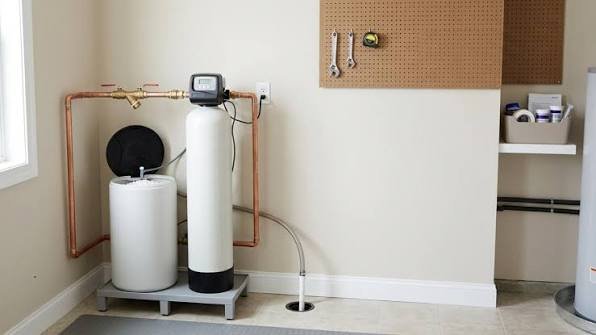
A properly selected commercial water filtration system can help address specific water quality concerns across a business. Depending on the application, it may use sediment filtration, activated carbon, or other treatment technologies. Sediment filters capture particles, while certain carbon filters can reduce chlorine taste, odors, and selected compounds. Other technologies serve different purposes, so the choice should be based on test results and verified product performance.
Capacity matters just as much as filtration technology. Imagine a café during the morning rush, with staff preparing hot drinks while customers fill glasses and wash equipment. A system that cannot keep up with demand may become a daily frustration. Flow rate, operating pressure, storage capacity, and the number of simultaneous users should all be considered.
Maintenance needs should be clear from the beginning. Ask how often cartridges or other components require replacement, whether servicing interrupts normal operations, and how easily replacement parts can be obtained. A system that performs well but is difficult to maintain may become expensive over time.
A Convenient Alternative to Bottled Water
Many workplaces want a reliable source of drinking water without constantly ordering, storing, and lifting heavy bottles. Bottled water can be convenient, but the deliveries require planning, and empty containers take up space. In a busy office, these small inconveniences tend to add up.
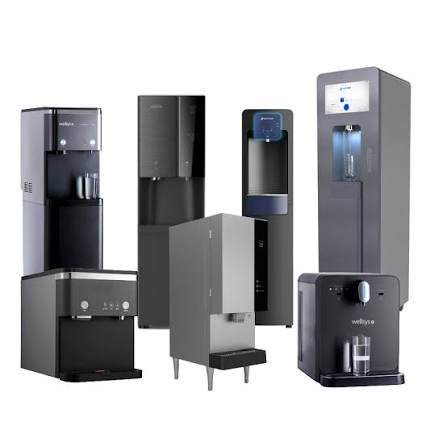
For some businesses, bottleless water dispensers & coolers offer a practical alternative. These units connect to the building’s water supply and use compatible filtration to provide drinking water at the dispenser. Depending on the model, they may offer chilled, ambient, or hot water, making them useful in offices, reception areas, staff kitchens, and shared workspaces.
Before choosing a unit, consider how many people will use it and where it will be installed. A dispenser in a small meeting room may have modest requirements, while one in a large staff break area needs sufficient capacity to handle frequent use. Available plumbing connections, electrical access, drainage requirements, and space around the unit can influence the installation.
It’s sensible to ask about the filtration stages, expected maintenance schedule, and replacement cartridge costs. Some units may also require periodic sanitizing. The goal is to provide convenient drinking water without creating another piece of equipment that nobody remembers to service.
Don’t Overlook the Importance of Hot Water
Hot water is essential in many commercial settings, from washing dishes and cleaning equipment to supporting staff kitchens and guest facilities. When the supply becomes unreliable, even ordinary tasks can slow down. In food service and other regulated environments, the required water temperature may also be important for sanitation, so equipment should be selected according to the applicable standards.
Commercial water heaters come in different designs and capacities. Storage models keep a quantity of hot water available, while tankless systems heat water as it flows through the unit. Each approach has trade-offs involving demand, energy use, installation requirements, recovery time, and maintenance.
A business that uses hot water continuously may need a different setup from one that only requires it occasionally. Peak demand is particularly important. If several sinks, showers, or cleaning stations operate at the same time, the equipment must be able to supply enough hot water without an inconvenient drop in temperature or flow.
Professional sizing can help prevent common problems. An undersized unit may struggle during busy periods, while an oversized system can increase purchase and operating costs. The existing plumbing, ventilation, fuel or electrical supply, and available installation space should also be reviewed before a replacement is selected.
Keep Maintenance on the Business Calendar
Commercial equipment often operates for long hours, sometimes every day of the week. Regular maintenance is therefore more than a housekeeping task; it helps businesses avoid unexpected interruptions.
Filters need replacing according to the manufacturer’s instructions, dispensers may require cleaning and sanitizing, and hot water equipment needs periodic inspection. Watch for changes in pressure, unusual noises, leaks, or water that no longer behaves as expected. These signs don’t always indicate a major failure, but they deserve attention.
Keep records of service dates, repairs, filter changes, and replacement parts. A simple maintenance log helps staff know what’s been done and when the next check is due. It can also be useful when diagnosing recurring problems or planning the annual equipment budget.
Make the Investment With Confidence
Choosing commercial water equipment is ultimately about finding a sensible balance between performance, convenience, cost, and long-term reliability. A filtration system should address the actual water quality concerns, a dispenser should suit the number of people using it, and a water heater should match the building’s hot water demand.
Take time to compare specifications, installation requirements, warranties, and ongoing service costs. Ask providers to explain why they recommend a particular setup and what results you can realistically expect. Clear answers are worth more than impressive claims that don’t explain how the equipment will perform in your workplace.
When water systems are selected thoughtfully and maintained consistently, they can support the ordinary routines that keep a business moving. It’s not the most glamorous part of running a workplace, perhaps, but dependable water equipment can make everyday operations noticeably easier.