Most homeowners don’t think much about their water treatment equipment once it’s installed. The filter is in place, the water tastes better, and the white marks around the faucets seem less noticeable. Life carries on. Then, months later, the system starts making an unfamiliar noise, the water pressure changes, or a maintenance reminder appears that nobody remembers setting. Suddenly, something that was supposed to make life easier needs attention.
The truth is that water treatment isn’t a one-time project. Filters wear out, softeners need routine care, and certain systems rely on supplies that must be replenished. A little planning can prevent those small maintenance jobs from turning into frustrating interruptions.
Why Routine Maintenance Matters
Water treatment equipment works by targeting particular substances or changing certain characteristics of the water. Over time, filter media can become exhausted, sediment can collect, and moving parts may need inspection. Even a well-designed system won’t perform as intended forever without proper care.
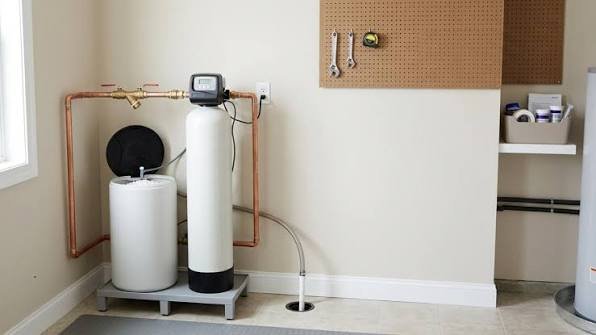
The first step is understanding what your equipment actually needs. A sediment filter may require cartridge replacement, while an ion-exchange water softener typically needs regeneration and an adequate supply of salt. Reverse osmosis systems have their own schedules for replacing prefilters, post-filters, and membranes.
Don’t rely entirely on changes in taste or appearance to tell you when maintenance is due. Some filters can lose effectiveness without an obvious warning. Follow the manufacturer’s instructions and keep a record of service dates. It takes very little effort, and it makes the next maintenance visit much easier to plan.
Keeping a Water Softener Ready for Everyday Use
For households with hard water, a softener can make a noticeable difference. Mineral deposits may become less troublesome, soap can work more effectively, and cleaning shower doors may no longer feel like a weekly battle. But conventional salt-based softeners need a dependable supply of salt to keep their regeneration process working properly.
This is where a salt delivery service can be useful. Rather than waiting until the brine tank is nearly empty, homeowners can arrange deliveries based on their household’s usage and the manufacturer’s recommendations. It can be especially convenient for families who use a lot of water or simply don’t want to carry heavy bags from the store.
Still, the right delivery schedule depends on the system. Water hardness, household size, and the softener’s capacity all influence how quickly salt is used. Check the tank periodically and use the type of salt specified by the manufacturer. Adding the wrong material or allowing salt to form a solid bridge inside the tank can interfere with operation.
If softened water starts leaving scale behind again, don’t immediately assume the unit needs replacing. Check the salt level, look for obvious maintenance issues, and consult a qualified technician if the problem continues. A small adjustment may be all that’s needed.
Start With a Clear Picture of Your Water
Maintenance becomes much easier when you know what the system is supposed to address. Perhaps the equipment was installed to reduce hardness, improve taste, capture sediment, or reduce a particular contaminant. Without that baseline, it’s difficult to tell whether the treatment is still doing its job.
A free water test may provide a useful starting point when offered by a reputable water-treatment provider. Before scheduling one, ask what the test measures and whether you’ll receive written results. Some introductory tests focus on hardness or dissolved solids, which can help explain certain household problems but do not establish that water is free from every health-related contaminant.
If you’re concerned about bacteria, lead, nitrates, or other specific substances, choose a suitable testing method. In some cases, that means sending a properly collected sample to a certified laboratory. Homeowners using private wells should pay particular attention to local testing guidance because well water conditions can change with rainfall, flooding, and nearby land use.
Municipal water customers can also review the water-quality report published by their supplier. That report describes the public supply, although it may not identify problems that develop inside a home’s own plumbing. If water changes suddenly in color, smell, or taste, further investigation may be appropriate.
Water Treatment in Commercial Settings
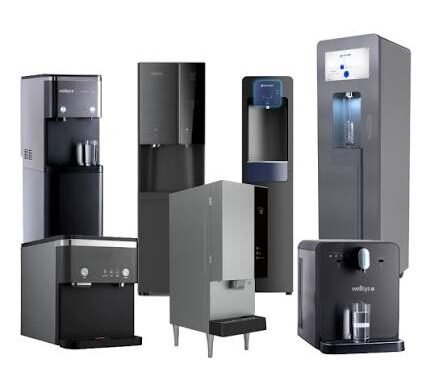
Businesses often have different water requirements from ordinary households. A restaurant may need consistent water quality for beverages and food preparation. A hotel might use large volumes across guest rooms, kitchens, and laundry facilities. Manufacturing operations may have specific requirements for water used in equipment or production processes.
In these situations, commercial water treatment should be designed around the property’s actual demand and the purpose of the water. A system that works well for a small office may struggle in a facility with several outlets operating simultaneously. Flow rate, water pressure, the source supply, and the substances being targeted all need consideration.
Maintenance planning is especially important for businesses because equipment downtime can interrupt daily operations. A filter that becomes exhausted during a busy shift can create an avoidable headache. Establishing a servicing schedule, keeping replacement parts available, and assigning responsibility for routine checks can help prevent last-minute problems.
Commercial systems may also require more detailed documentation. Depending on the application, businesses may need records of water tests, filter changes, service visits, or other maintenance activities. The specific requirements vary, so consult the relevant local regulations and qualified professionals rather than assuming one checklist applies to every industry.
Watch for Changes Before They Become Bigger Problems
A sudden change in water pressure, unusual system cycling, recurring scale, or a return of unpleasant taste can indicate that something needs attention. These signs don’t necessarily mean the equipment has failed. A clogged cartridge, incorrect setting, or supply issue may be responsible.
Start with the checks described in the user manual. Look for overdue filter changes, verify that the softener has the required salt, and inspect visible connections for leaks. Avoid opening pressurized housings or attempting repairs that require specialist knowledge. If the issue persists, arrange professional servicing.
It also helps to understand the difference between a maintenance problem and a water-quality problem. A treatment system can be working normally while the source water changes, and a plumbing issue can affect water at one tap without involving the treatment equipment at all. Testing and a careful inspection can help separate these possibilities.
Build a Maintenance Routine That Fits Real Life
You don’t need a complicated spreadsheet to stay on top of water treatment. A calendar reminder, a folder for test results, and a note of the last filter replacement can be enough for many homes. Businesses may benefit from a more formal schedule with named responsibilities and service records.
When choosing equipment, consider maintenance before making the purchase. Ask how often filters need replacing, whether parts are readily available, how much routine supplies cost, and what professional servicing involves. A system that fits your budget on installation day should also be manageable several years later.
Good water treatment is really about consistency. Test when appropriate, follow maintenance instructions, and investigate unusual changes instead of ignoring them. With a little attention and the right support, your system can remain a useful part of everyday life rather than another unexpected job on the household to-do list.