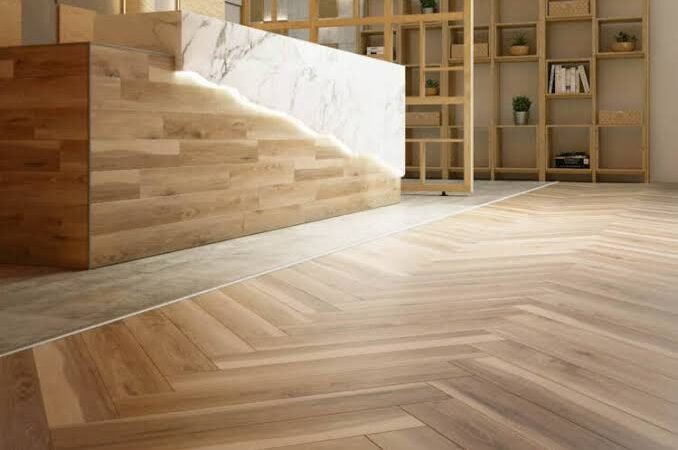
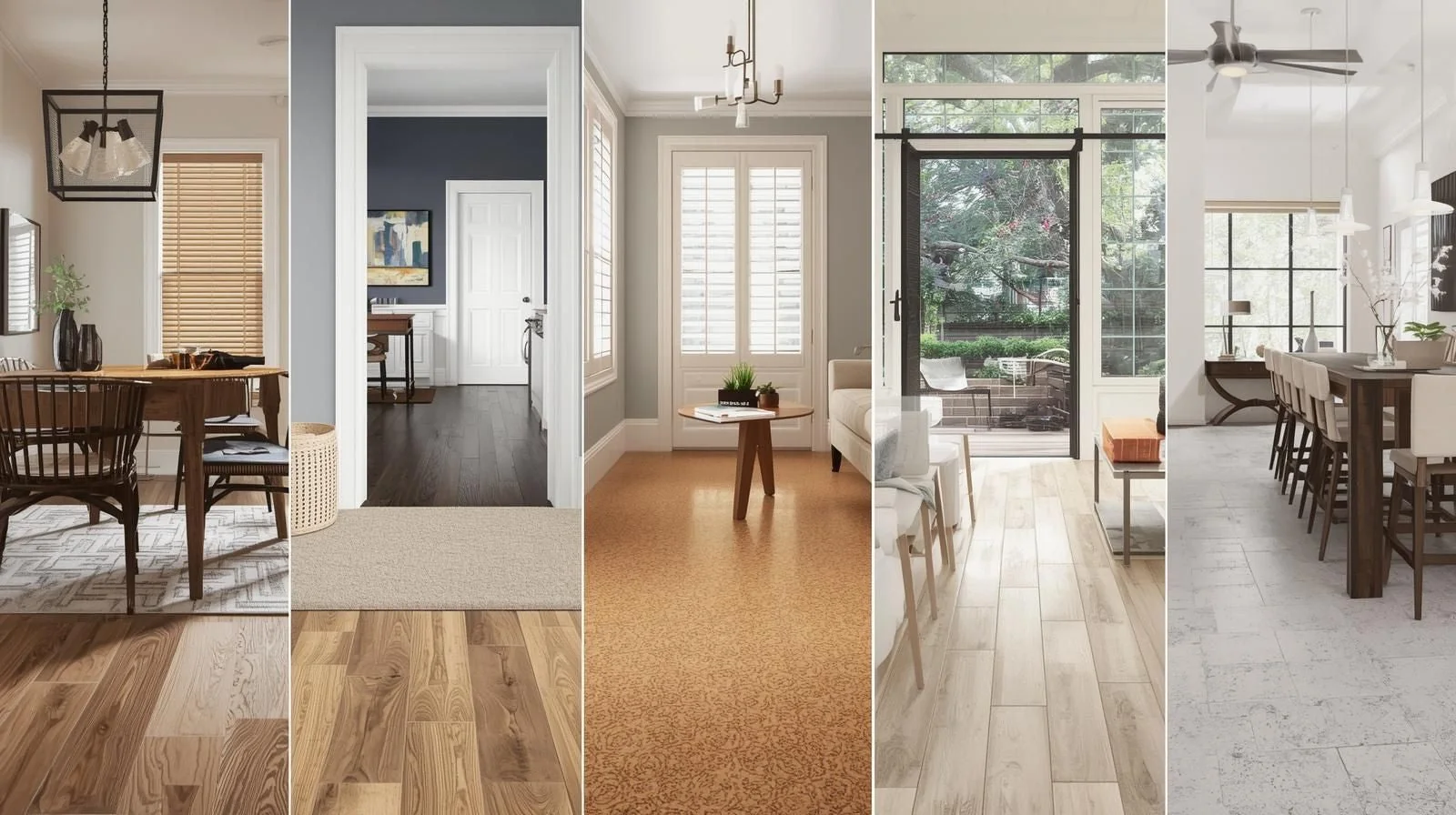
Your hallway floor looks scuffed after just eight months. Sound familiar? That’s usually the first sign someone picked flooring based on looks alone, not on how much footfall the space actually gets. Finding the best flooring for high traffic areas isn’t about the prettiest tile in the showroom — it’s about what survives kids running through with muddy shoes, delivery guys tracking in dust, and that one uncle who refuses to take his sandals off.
I’ve walked through this decision with friends renovating homes and small shopfronts alike, and the same mistake keeps popping up: people choose flooring for the living room photo, not the actual usage pattern. So let’s fix that. Here’s an honest breakdown of what genuinely holds up, what doesn’t, and where you can save money without sacrificing durability.
What Makes Flooring Suitable for High-Traffic Areas?
The best flooring for high traffic areas needs to resist scratches, stains, and daily wear while remaining easy to clean. Key factors include material hardness, surface finish, moisture resistance, and how well it hides minor scuffs over time.
It’s not just one property that matters — it’s a combination. A floor can be scratch-resistant but stain like crazy. Or stain-resistant but slippery when wet, which is its own kind of nightmare with kids or elderly family members around.
Things to actually check before choosing:
- Hardness rating — how well the material resists dents and scratches
- Porosity — porous materials absorb spills, stain faster, and are harder to clean
- Slip resistance — especially critical near entryways or kitchens
- Maintenance routine — some floors need sealing or polishing every year, others don’t
- Cost per sq ft including installation — cheap material with expensive installation can flip your budget
Entryways, hallways, kitchens, and living rooms in Indian homes typically see the heaviest footfall. Shops and offices, obviously, see even more. The flooring choice for these spaces should genuinely be treated differently than, say, a guest bedroom that gets used twice a month.
Vitrified Tiles — The Popular Indian Default
Walk into almost any newly built apartment in India and you’ll find vitrified tiles underfoot. There’s a reason for that.
Vitrified tiles are dense, low-porosity, and genuinely tough. They resist scratches reasonably well and don’t stain easily, which makes them a strong contender among options for flooring for high traffic areas in Indian homes and offices.
Pros:
- Highly scratch and stain resistant
- Available in countless designs, including marble-look finishes at a fraction of the cost
- Easy to clean — just a mop, no special products needed
- Reasonably priced: ₹40-120 per sq ft depending on quality and finish
Cons:
- Can be slippery when wet, especially the glossy finish varieties
- Grout lines still collect dirt over time if not sealed properly
- Cold underfoot in winter, which some people genuinely dislike
- Cracks under serious impact (like a heavy object dropped) more than people expect
I’ll admit, I’m partial to matte or anti-skid vitrified tiles for high-traffic zones specifically because of the slip issue. The glossy showroom finish looks great in photos but isn’t always the smartest pick for an entryway that gets wet during monsoon.
Vinyl and Luxury Vinyl Tile (LVT) Flooring
Vinyl flooring has come a long way from the thin, cheap-looking sheets people associate it with. Modern LVT is genuinely impressive.
Related guidance: Vinyl Flooring vs Tile: A Complete Comparison
Pros:
- Excellent water resistance — great for kitchens and entryways
- Softer underfoot than tile, reduces noise from footsteps
- Wide range of wood-look and stone-look designs
- Cost-effective: typically ₹60-150 per sq ft installed
Cons:
- Can dent under heavy furniture or sharp impact
- Lower-quality vinyl may fade with prolonged sun exposure
- Not as long-lasting as tile or stone (usually 10-15 years vs 20+)
- Repairs mean replacing entire planks, not just patching
Picture a small business owner in Jaipur running a boutique retail shop — vinyl flooring is honestly a smart pick there. It handles constant foot traffic well, looks polished, and installation is quick enough that you’re not losing a week of business to renovation.
Natural Stone Flooring (Granite, Marble, Kota Stone)
Stone flooring has been the traditional go-to for Indian homes for generations, and for high-traffic zones, certain stones genuinely earn their reputation.
Granite
Granite is about as tough as flooring gets. It shrugs off scratches and heavy footfall without much fuss, which is why you see it constantly in commercial spaces and busy household areas.
- Cost: ₹80-250 per sq ft depending on grade and origin
- Extremely durable, lasts decades
- Can be slippery when polished — matte or leathered finishes are safer for high-traffic zones
Marble
Marble looks stunning, no argument there. But — and I say this having seen it happen more than once — it’s genuinely not the best choice for heavy foot traffic. It stains easily, scratches more than people expect, and needs regular polishing to stay looking good.
Kota Stone
A budget-friendly, tough, and very Rajasthan-associated option. Kota stone handles high traffic well and is common in older homes, offices, and even temple floors for exactly that reason — it just holds up.
- Cost: ₹40-80 per sq ft, among the cheaper stone options
- Naturally slip-resistant when finished properly
- Needs occasional sealing to prevent staining
[link to related guide on natural stone flooring maintenance here]
Engineered Wood and Laminate Flooring
Wood flooring adds warmth that tile just can’t replicate, but does it actually work for high traffic areas? Mostly yes, with some caveats.
Pros:
- Warm, comfortable underfoot compared to stone or tile
- Modern laminates have decent scratch-resistant coatings
- Quick to install, minimal mess during renovation
- Good acoustic insulation — quieter footsteps
Cons:
- Not ideal for areas prone to water exposure (entryways during monsoon, kitchens)
- Can show wear patterns in heavily walked paths over years
- Higher-end engineered wood gets expensive fast: ₹150-400 per sq ft
- Direct sunlight can fade the finish over time
Honestly, I’d hesitate before recommending wood flooring for a main entryway in most Indian homes, purely because of monsoon moisture. It works beautifully in living rooms or bedrooms where traffic is heavy but water exposure is minimal.
Concrete and Polished Concrete Flooring
This one surprises people — concrete has quietly become a popular choice for high-traffic commercial and even some residential spaces.
Polished concrete ranks among the most durable options for flooring for high traffic areas due to its resistance to scratches, stains, and heavy footfall. It requires minimal long-term maintenance and works especially well in commercial or industrial settings.
Pros:
- Extremely tough, handles heavy foot and even vehicle traffic
- Low maintenance once sealed properly
- Modern, minimalist aesthetic that’s gaining popularity
- Cost-effective for large areas: ₹60-150 per sq ft
Cons:
- Cold and hard underfoot — not the coziest option for homes
- Can develop hairline cracks over time in certain climates
- Limited design flexibility compared to tile or stone
- Needs proper sealing or it stains from spills
Choosing Flooring by Room and Traffic Level
Not every high-traffic space needs the exact same solution. A hallway and a commercial kitchen have very different demands.
- Entryways and hallways: Vitrified tile or granite with anti-skid finish
- Living rooms: Vitrified tile, engineered wood, or LVT depending on budget
- Kitchens: Vinyl or vitrified tile — avoid marble and untreated wood here
- Retail shops: Polished concrete or vinyl for durability and quick cleanup
- Offices: Vitrified tile or laminate, depending on foot traffic intensity
Has this ever happened to you — choosing one flooring for the whole house and then regretting it in just one specific room? It happens constantly. There’s genuinely no rule saying every room needs matching flooring. Mixing materials by function is smarter than most people realize.
Maintenance Tips to Extend Flooring Lifespan
Extending the lifespan of flooring for high traffic areas mainly comes down to regular cleaning, prompt spill management, and using doormats at entry points. Periodic sealing for stone and grout also significantly reduces long-term wear and staining.
A few habits that genuinely make a difference:
- Place doormats at every entrance — this alone reduces grit-related scratching significantly
- Clean spills immediately, especially on stone and wood flooring
- Use furniture pads under heavy items to prevent dents
- Reseal grout and natural stone every 12-18 months
- Avoid harsh acidic cleaners on marble or granite — they etch the surface over time
[link to related guide on home renovation budgeting here]
FAQs About Best Flooring for High Traffic Areas
What is the most durable flooring for high traffic areas? Polished concrete and granite typically top the list for sheer durability, followed closely by vitrified tiles. All three resist scratches and heavy footfall exceptionally well.
Is vitrified tile good for high traffic areas? Yes, it’s actually one of the most popular choices in Indian homes for exactly this reason. Just go with a matte or anti-skid finish for safety, especially near entryways.
Which flooring is best for a shop with heavy footfall? Polished concrete or vinyl flooring tend to work best for retail spaces — both are durable, quick to clean, and cost-effective for larger areas.
Does wood flooring work in high traffic areas? Engineered wood can handle moderate high traffic reasonably well, but it’s not ideal for spaces exposed to water or extreme humidity, like entryways during monsoon season.
Is marble a good choice for high traffic zones? Not really, despite how popular it looks. Marble stains and scratches more easily than granite or vitrified tile, making it better suited for lower-traffic decorative areas.
How often should high-traffic flooring be replaced? It depends heavily on material — vitrified tile and granite can last 20+ years, while vinyl and laminate typically need replacing every 10-15 years depending on wear.
Conclusion
Picking the best flooring for high traffic areas really comes down to matching the material to how the space actually gets used, not just how it photographs in a showroom. Vitrified tile and granite remain the safest bets for most Indian homes, while vinyl and polished concrete make sense for retail or commercial spaces that need quick cleanup and serious durability.
Before you finalize anything, walk through your space at different times of day and think honestly about foot traffic, moisture, and who’s actually using it. That five-minute exercise will save you a flooring redo in three years — trust me on this one.