Water pooling around your feet in the shower is never a good sign. If you’ve ever stood there watching it drain at a crawl, wondering whether you need to spend money calling someone, you’re in the right place. Knowing how to unclog a drain yourself can save you both time and a plumber’s call-out fee, which in most Indian cities runs anywhere from ₹300 to ₹800 just for showing up.
Most clogs aren’t as serious as they seem. Hair, soap scum, food bits, and mineral buildup cause the majority of blockages, and honestly, most of them respond well to simple fixes you can do in twenty minutes. I’ve unclogged more drains with a bent wire hanger than I ever have with fancy chemical cleaners, and I’ll explain why later in this guide.
Let’s get into it — room by room, method by method.
Common Signs Your Drain Needs Unclogging
Featured snippet answer: Signs a drain needs unclogging include slow water drainage, gurgling sounds, bad odors rising from the sink or shower, and water pooling around your feet. Catching these early makes DIY methods far more effective than waiting until the drain stops completely.
A lot of people wait until the drain is completely blocked before doing anything about it. That’s honestly the wrong approach.
Look out for:
- Water taking noticeably longer to drain than it used to
- A gurgling noise when you flush the toilet or run the sink nearby
- A faint sulfur-like smell coming up from the drain, especially in bathrooms
- Water rising slightly before slowly going down
Catch it at this stage, and you’re looking at a quick fix. Wait another two weeks, and you might be dealing with a fully blocked pipe that needs stronger measures — or worse, a plumber.
How to Unclog a Drain Using Baking Soda and Vinegar
This is probably the most talked-about method, and for good reason — it actually works for mild to moderate clogs.
- Pour half a cup of baking soda directly into the drain
- Follow with half a cup of white vinegar
- Cover the drain opening (a wet cloth works fine) and let the fizzing reaction sit for 15-20 minutes
- Flush with a kettle of hot water
I’ve noticed this works best on grease-based clogs in kitchen sinks rather than hair clogs in bathroom drains — the chemical reaction breaks down oils better than solid debris. Don’t expect miracles on a drain that’s been ignored for six months, though.
Using a Plunger the Right Way
Featured snippet answer: To unclog a drain with a plunger, block any overflow openings, add enough water to cover the plunger’s rubber cup, and push down firmly before pulling up sharply 8-10 times. The suction dislodges debris, and this method works especially well for sink and shower blockages.
Related guidance: Water Heater Maintenance Tips to Extend Its Life
Most people plunge wrong, honestly. They go too fast, too shallow, and give up after three tries.
- Use a cup plunger for flat surfaces like sinks, and a flange plunger for toilets
- Make sure there’s enough water in the basin to fully submerge the plunger head
- Push down slowly first to push air out, then pull up sharply — that upward pull is where the real suction happens
- Repeat 8-10 times before checking if water drains faster
A small mistake I made for years: not blocking the overflow hole in bathroom sinks. If you skip that step, half your suction pressure just escapes through it and does nothing.
Removing Hair Clogs from Bathroom Drains
Bathroom drains are a different beast entirely. It’s almost always hair, soap scum, or a combination of both.
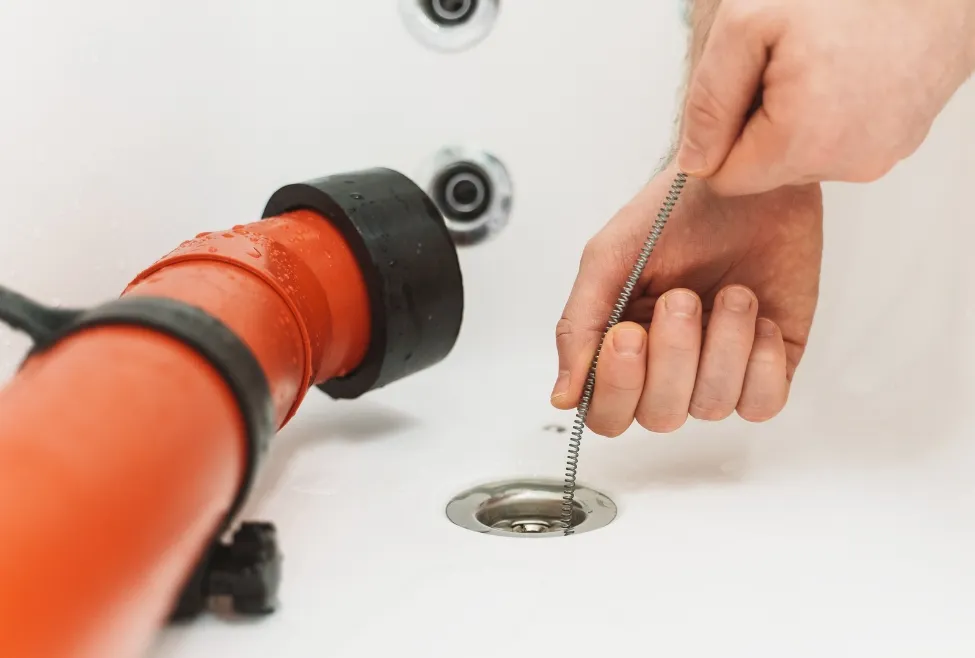
- A drain snake or a bent wire hanger works wonders here — just twist it down the drain and pull the clog out manually
- Removing the drain cover first makes this ten times easier, and people skip this step way too often
- For stubborn clogs, combine the wire method with a hot water flush afterward
Picture this: a homeowner in Chennai spends ₹450 calling a plumber for a bathroom drain, only to watch him pull out a giant hairball with a ₹40 plastic tool bought from a local hardware shop. That tool sits in most Indian households already — it’s just never used.
[link to related guide about home cleaning frequency and maintenance here]
Kitchen Sink Drain Blockages and Grease Buildup
Kitchen drains clog differently than bathroom ones — grease is the real enemy here, not hair.
Things that help:
- Never pour hot oil directly down the drain (I know, everyone’s done it at least once)
- Run hot water for a full minute after washing greasy dishes to keep fat from solidifying inside the pipe
- A monthly baking soda and vinegar flush prevents buildup before it becomes a real clog
- If food scraps are the issue, a simple drain strainer costs under ₹100 and prevents most future clogs entirely
I’ll admit, I disagree with people who say chemical drain cleaners are always the answer for kitchen sinks. They work, sure, but repeated use can actually damage older PVC pipes over time — something plumbers rarely mention upfront.
When to Use a Drain Snake or Wire Hanger
Featured snippet answer: A drain snake or wire hanger works best for clogs located within the first few feet of the drain, especially hair and debris buildup. Insert it slowly, twist as you push forward, and pull back gently to avoid pushing the clog deeper into the pipe.
This method takes a bit of patience, but it’s genuinely satisfying once it works.
- Straighten a wire hanger, leaving a small hook at one end
- Remove the drain cover or stopper
- Insert slowly, twisting gently as you go
- Once you feel resistance, twist more and pull back rather than pushing forward aggressively
Has this ever happened to you — pushing too hard and just shoving the clog further down instead of pulling it out? Slow and steady genuinely works better here than brute force.
Preventing Future Drain Clogs
Prevention is honestly the boring part nobody wants to read about, but it saves so much hassle later.
- Install drain guards in both kitchen and bathroom drains — they cost next to nothing and catch hair and food particles before they go down
- Flush drains with hot water weekly, especially in kitchens
- Avoid pouring coffee grounds, rice, or oil down kitchen sinks
- Do a baking soda and vinegar flush once a month as routine maintenance, not just when there’s a problem
[link to related guide about move-in move-out home maintenance checklist here]
When You Genuinely Need a Plumber
Not every clog is a DIY job, and it’s worth being honest about that. If you’ve tried plunging, snaking, and chemical methods and water still isn’t draining, the blockage is probably deeper in the pipe system than home tools can reach.
Call a plumber if:
- Multiple drains in the house are backing up at the same time (this usually points to a main line issue)
- Water backs up into other fixtures when you use one drain
- The clog keeps returning within days of clearing it
- You notice sewage smells that don’t go away after cleaning
[link to related guide about hiring reliable local home services here]
FAQs
How do I unclog a drain naturally without chemicals? Baking soda and vinegar followed by hot water is the most reliable natural method. It works especially well on grease clogs and is gentler on your pipes than commercial chemical cleaners.
Why does my drain clog again after a few days? This usually means the clog wasn’t fully cleared, just pushed further down, or there’s ongoing buildup from grease, hair, or hard water minerals. A recurring clog within a week or two is often a sign you need a drain snake rather than surface methods.
Is it bad to use chemical drain cleaners regularly? Yes, frequent use can corrode older pipes, especially PVC ones common in many Indian homes. It’s better to save chemical cleaners for occasional stubborn clogs rather than routine use.
How long should I let baking soda and vinegar sit in a drain? 15 to 20 minutes is usually enough for the fizzing reaction to break down grease and light buildup. Leaving it longer doesn’t really improve results.
Can hard water cause drain clogs? Yes, mineral deposits from hard water build up inside pipes over time and narrow the passage, making clogs more frequent. This is especially common in areas with high water hardness across parts of North India.
What household item works best instead of a drain snake? A straightened wire hanger with a small hook at the end works nearly as well as a store-bought drain snake for shallow hair clogs, and it costs nothing if you already have one at home.
Wrapping Up
Most drain clogs really don’t need a plumber’s visit, at least not right away. A bit of baking soda, vinegar, a plunger used correctly, or a simple wire hanger handles the majority of everyday blockages people deal with at home.
The key is catching things early — slow drainage and odd smells are your drain telling you something’s building up. In 2026, with plumber visits getting pricier in most cities, learning how to unclog a drain yourself is a genuinely useful skill to have. So next time your sink starts draining slower than usual, skip the phone call and try one of these methods first — chances are, you won’t need that plumber after all.