Nothing ruins a winter morning like stepping into a shower and getting cold water instead of hot. If your geyser’s been acting up lately, or you’re just trying to avoid replacing it in another year or two, a few solid water heater maintenance tips can genuinely add years to its life. Most people only think about their water heater when it stops working — and by then, it’s usually too late for a simple fix.
I’ve had two geysers in my own home over the past eight years, and the one that lasted longer wasn’t a fancier model. It just got looked after properly. Descaling, checking the anode rod, keeping the pressure valve clear — small stuff, done regularly, makes a bigger difference than people expect.
This guide covers exactly what to check, how often, and what most people get wrong.
Why Regular Water Heater Maintenance Tips Matter More Than You Think
Featured snippet answer: Regular water heater maintenance tips matter because hard water and mineral buildup shorten a heater’s lifespan significantly, sometimes by 3-5 years. Routine checks like descaling and anode rod inspection prevent costly repairs and keep energy bills lower by maintaining heating efficiency.
A geyser isn’t a set-it-and-forget-it appliance, even though most people treat it that way. I’ve noticed neighbors running the same unit for a decade without a single check, then acting surprised when it suddenly stops heating.
Hard water is the real villain here, especially in cities like Delhi, Jaipur, and parts of Gujarat where mineral content in tap water runs high. That buildup coats the heating element, forces it to work harder, and eventually leads to failure.
The upside? A well-maintained geyser can easily last 8-10 years instead of the average 5-6 years most people get. That’s a real cost saving, considering a decent storage water heater costs anywhere from ₹6,000 to ₹15,000 depending on capacity and brand.
Flushing Sediment Buildup Regularly
This is probably the single most important maintenance task, and also the most skipped one.
Sediment settles at the bottom of the tank over time, especially with hard water. It reduces heating efficiency and can even cause popping or rumbling noises during operation.
- Turn off the power supply and let the water cool for a couple hours
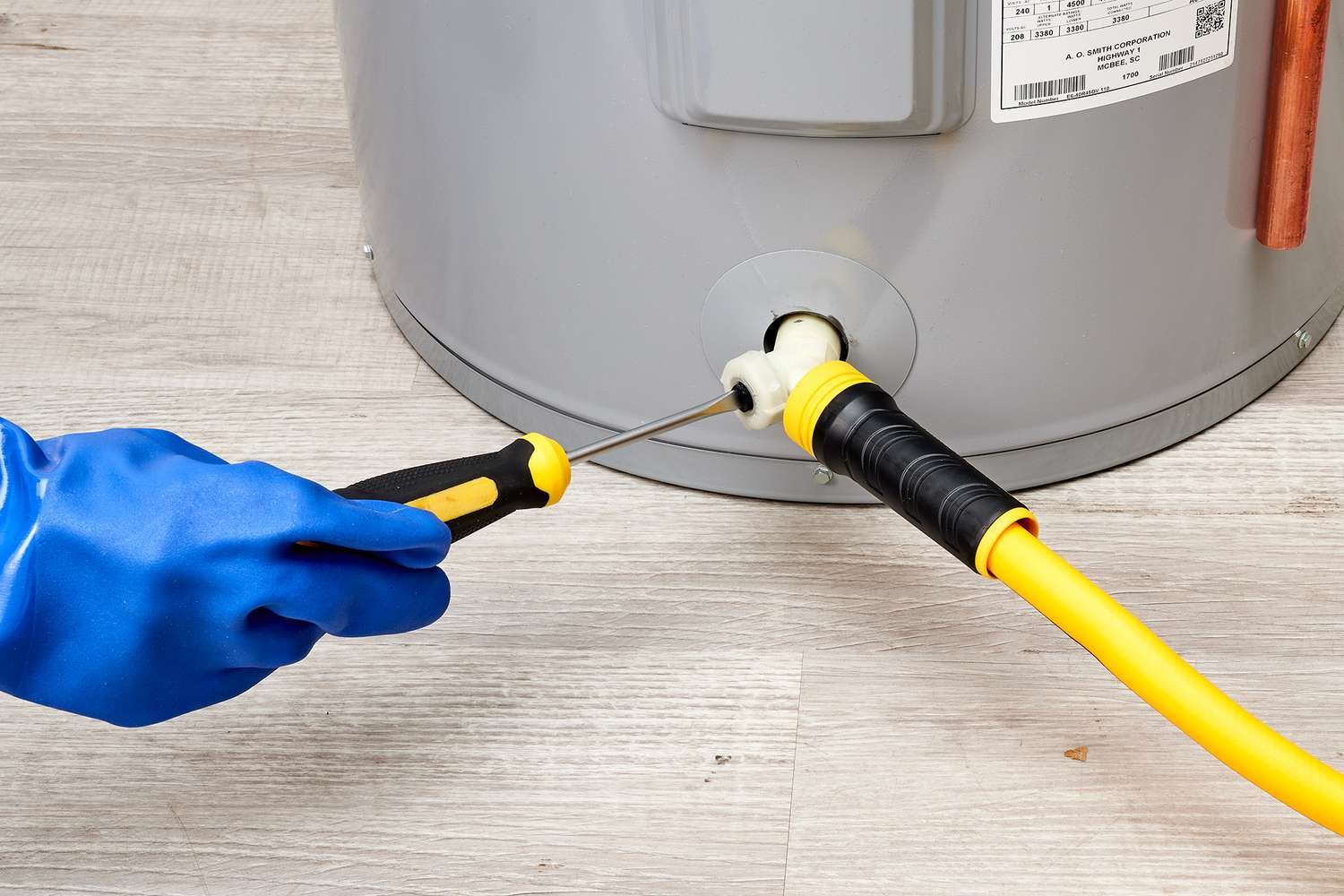
- Connect a hose to the drain valve at the bottom of the tank
- Let the water flow out into a bucket or drain until it runs clear
- Refill the tank fully before switching the power back on
Do this every 4-6 months if you’re in a hard water area, or once a year otherwise. Skipping this step is honestly the fastest way to shorten your geyser’s lifespan.
Related guidance: How to Unclog a Drain Without Calling a Plumber
Checking and Replacing the Anode Rod
Featured snippet answer: The anode rod protects a water heater’s tank from rust by corroding first, sacrificing itself to prevent internal corrosion. It should be checked every 2 years and replaced once it’s worn down more than 50%, which typically extends tank life by several years.
Most people don’t even know their geyser has an anode rod, which is a shame because it’s basically the tank’s bodyguard.
- Check the rod every 2 years, more often if you’re in a high-mineral water area
- If it’s worn down past 50%, replace it — a new one costs roughly ₹500-₹800
- Skipping replacement means the tank itself starts corroding instead, which is far more expensive to fix
I’ll be honest, I ignored this for years on my first geyser, and it showed. The tank developed a slow leak around year six, right when the anode rod should’ve been replaced already.
Testing the Pressure Relief Valve
Picture a small business owner in Jaipur running a guest house with six geysers installed. One valve gets stuck, pressure builds silently, and within months there’s a tank failure that costs far more than routine testing would have.
- Lift the pressure relief valve lever briefly every 3 months and let some water release
- If no water comes out, or it doesn’t stop dripping afterward, the valve likely needs replacing
- A stuck valve is a genuine safety risk, not just a performance issue
This is one of those water heater maintenance tips people skip because it feels unnecessary — until the one time it actually matters.
[link to related guide about home cleaning frequency and maintenance schedule here]
Setting the Right Temperature
Running your geyser hotter than needed doesn’t just waste electricity, it also speeds up wear on internal components.
- Keep the thermostat around 50-60°C for most household use
- Higher settings increase mineral deposit speed and energy consumption
- Instant geysers, common in smaller Indian bathrooms, don’t need adjustment as often but still benefit from periodic checks
I’ve noticed a lot of families keep the temperature maxed out purely out of habit, not because they actually need water that hot. Dialing it down slightly extends component life and shaves a bit off the electricity bill too.
Insulating Your Water Heater and Pipes
This tip gets overlooked constantly, probably because it feels more like an upgrade than maintenance. But it genuinely reduces strain on the unit.
- Wrap exposed pipes with foam insulation, especially in colder regions like parts of North India during winter
- Insulating the tank itself (if it’s an older model without built-in insulation) reduces heat loss significantly
- Less heat loss means the heating element cycles less often, which adds up to less wear over months and years
[link to related guide about DIY home repairs versus hiring a professional here]
Signs Your Water Heater Needs Professional Attention
Not every issue is a DIY fix, and it’s worth knowing when to stop troubleshooting and call someone in.
- Rusty or discolored water coming from hot taps
- Unusual banging or rumbling sounds that don’t stop after flushing sediment
- Water heating noticeably slower than it used to, even after cleaning
- Visible leaks around the tank base or connections
Has this happened to you — the geyser working fine one day, then suddenly making a racket the next? Usually it’s sediment, but if flushing doesn’t fix it, that’s your sign to call a technician rather than keep guessing.
Building a Simple Maintenance Schedule
There’s no need to overcomplicate this. A basic yearly routine covers most of what matters:
- Every 3 months: test the pressure relief valve
- Every 4-6 months: flush sediment (more often in hard water areas)
- Every 2 years: inspect the anode rod
- Every 5 years: consider a full professional inspection, especially for older units
[link to related guide about move-in checklist for new homeowners here]
FAQs
How often should I flush my water heater? Every 4-6 months if you live in a hard water area, or once a year if your water is relatively soft. Regular flushing prevents sediment buildup, which is one of the leading causes of early geyser failure.
How long should a water heater last with proper maintenance? With regular care, most storage water heaters last 8-10 years, compared to the average 5-6 years without maintenance. Instant geysers tend to have slightly shorter lifespans regardless of upkeep.
Why does my geyser make a rumbling noise? This usually means sediment has built up at the bottom of the tank, causing water to bubble underneath it during heating. A thorough flush almost always resolves this.
Is it expensive to replace an anode rod? Not really — a replacement rod typically costs between ₹500 and ₹800, and the labor, if you’re hiring someone, adds maybe another ₹300-₹500. It’s a small cost compared to replacing the entire tank.
Should I turn off my water heater when not in use? For instant geysers, yes, since they heat water on demand anyway. For storage geysers, it depends on your electricity rates and usage pattern, though many households do switch it off overnight to save power.
Can hard water actually damage my water heater? Yes, significantly. Mineral deposits from hard water coat the heating element and tank interior, reducing efficiency and eventually causing corrosion or component failure if left unaddressed.
Wrapping Up
A water heater isn’t something you should only think about when it stops working. A few simple habits — flushing sediment, checking the anode rod, testing the pressure valve, and keeping the temperature reasonable — genuinely stretch its working life by years, not months.
In 2026, with electricity costs and appliance prices both climbing, following these water heater maintenance tips isn’t just about convenience, it’s a real money-saver too. So next time you’re doing your seasonal home upkeep, add your geyser to that list instead of waiting for it to remind you the hard way.